About Fond Għadir Bay
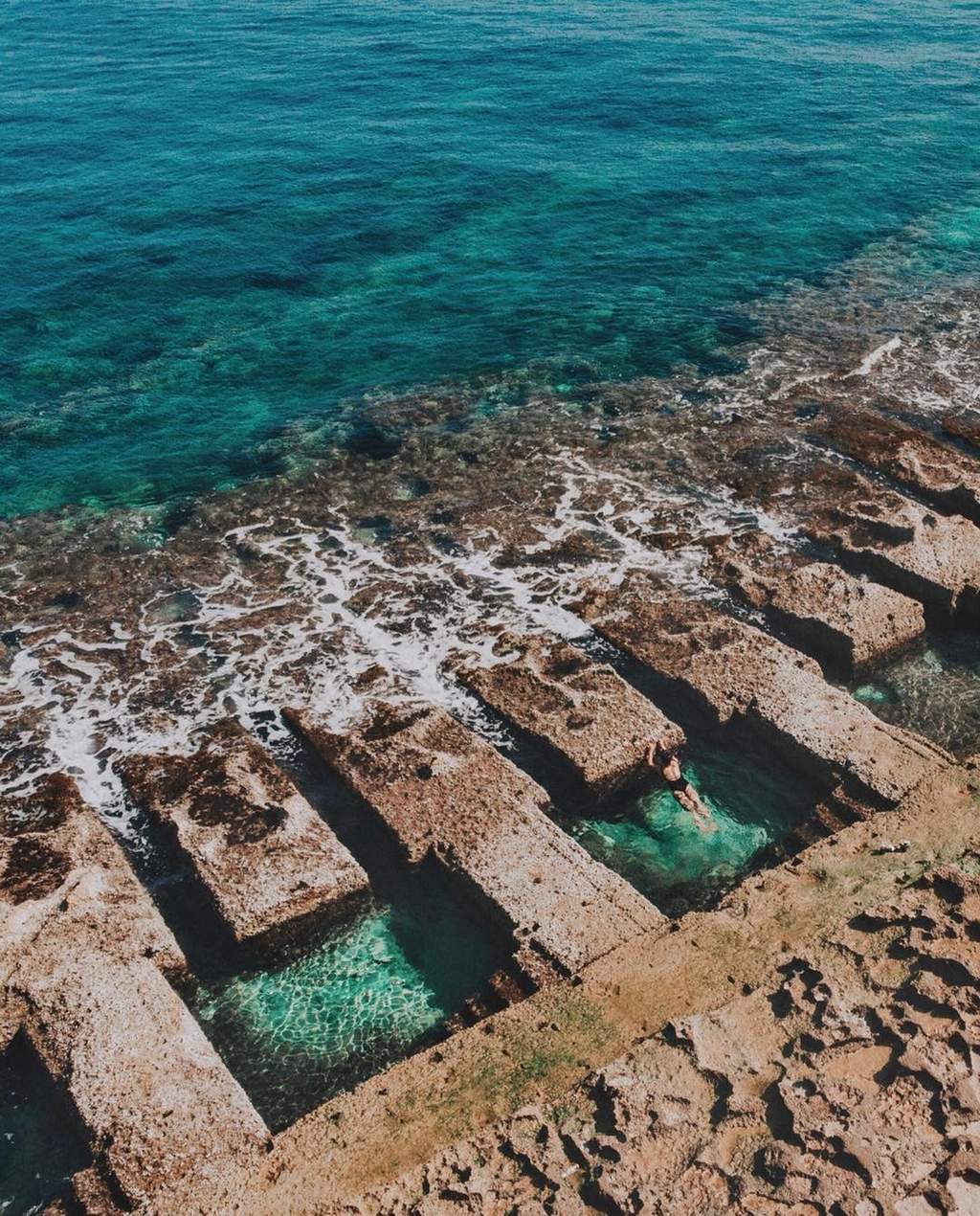
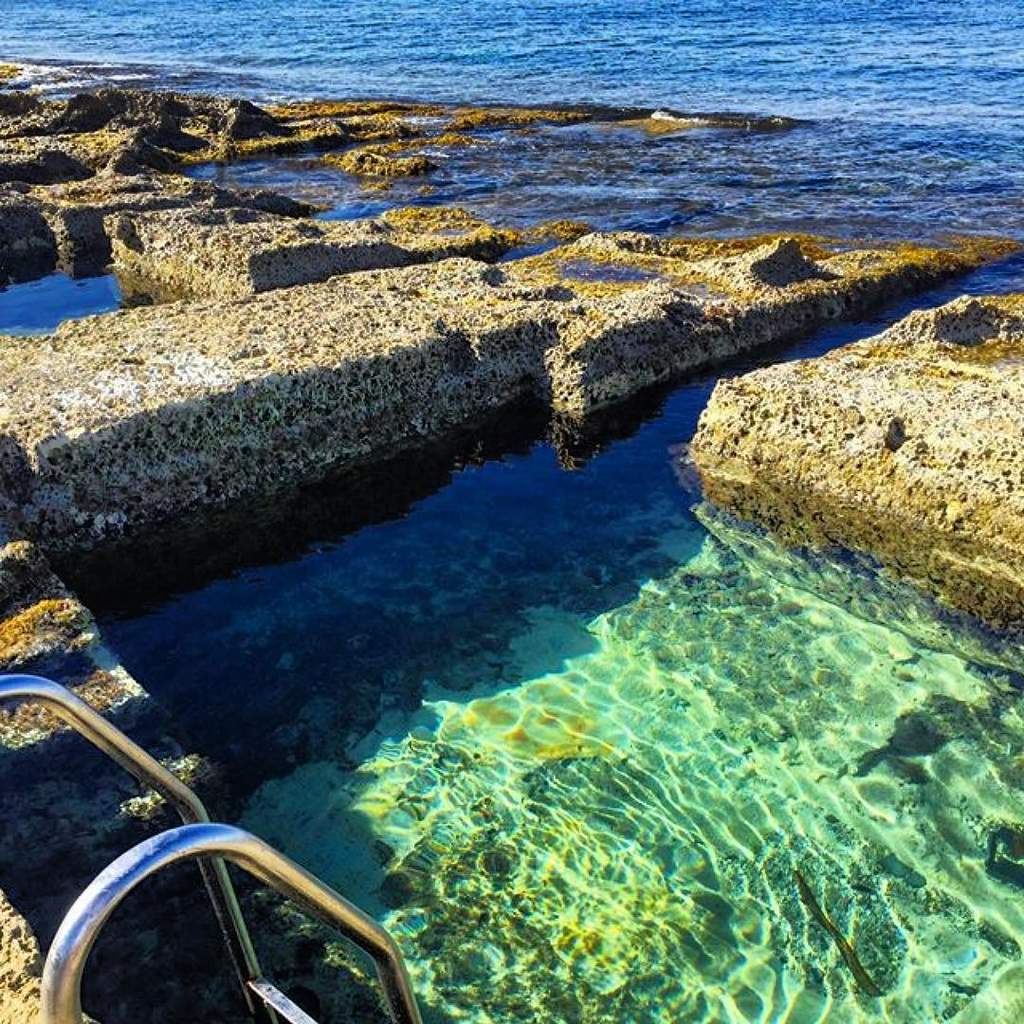
Fond Għadir is a long stretch of rocky shore on Tower Road, Sliema, where flat limestone shelves step down to the sea. It is best known for a row of rectangular pools cut into the rock, which many people call the Roman Baths, although they actually date to the late 19th century, when Sliema was becoming a summer retreat for Valletta's middle and upper classes.
It is one of the most popular swimming spots on the Sliema front with locals and visitors alike, and it was on Malta's Blue Flag list in 2025, unusual for a rocky shore. Because the stretch is long, it rarely feels as cramped as the sandy beaches nearby. The sheltered pools suit a gentle paddle, while ladders give stronger swimmers easy access to the deep, open sea.
What Fond Għadir is like
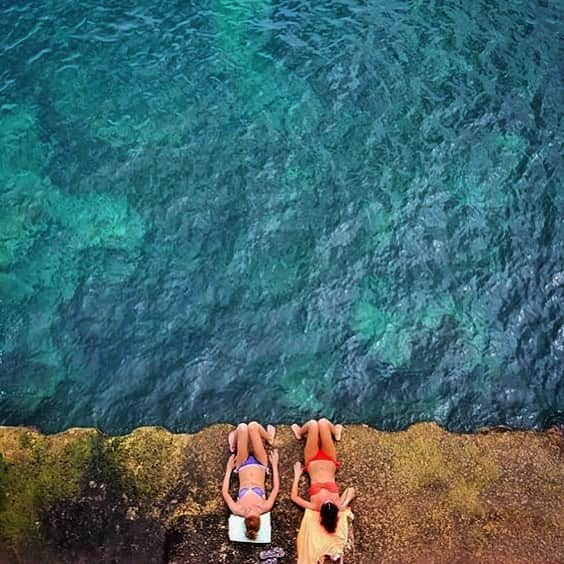
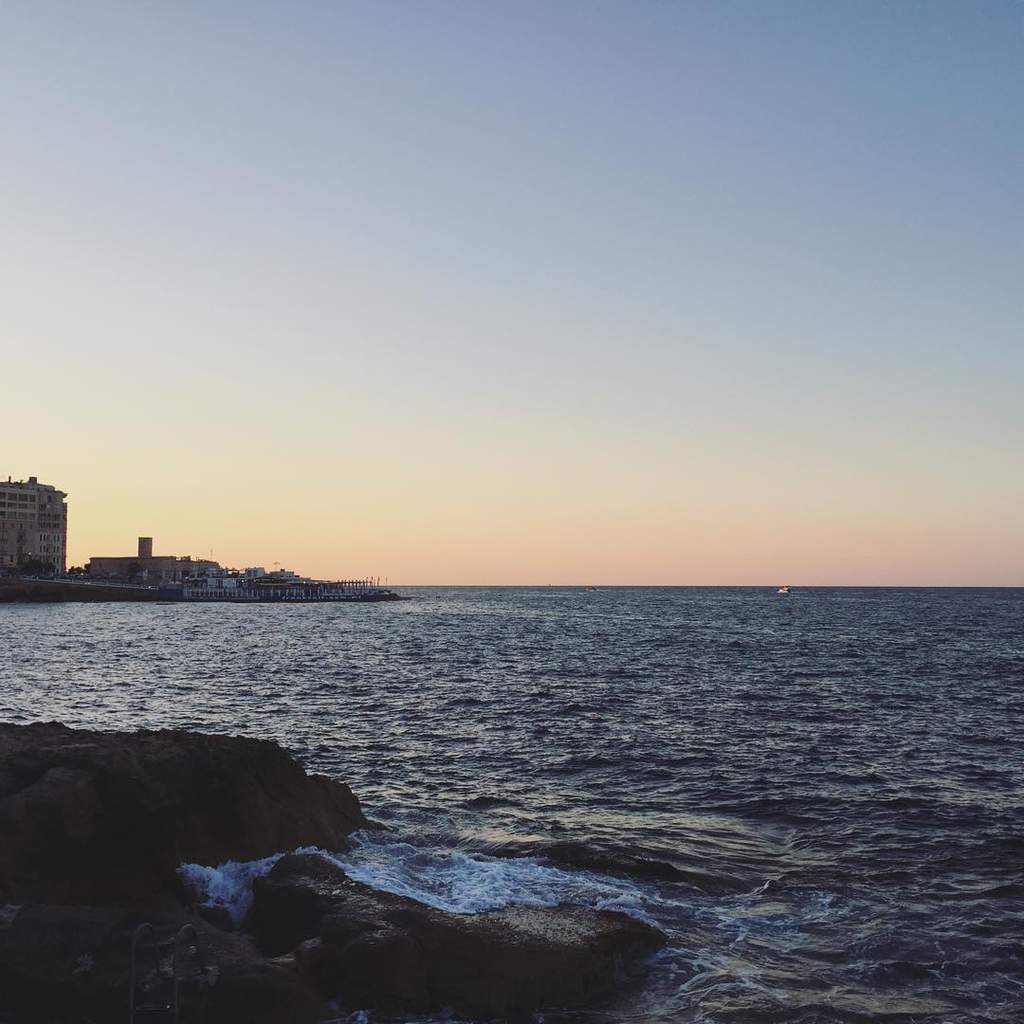
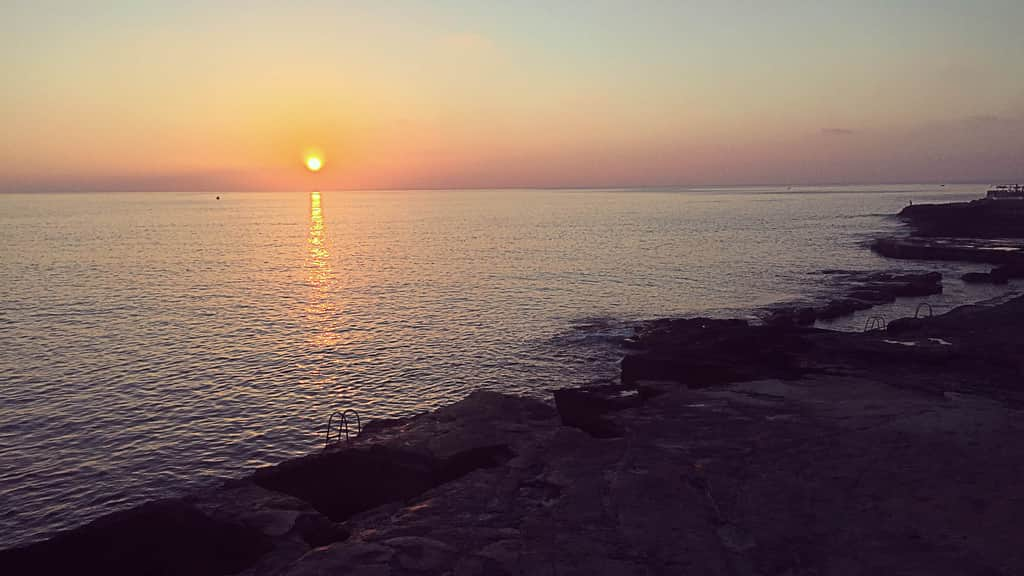
The shore here is a series of broad, fairly flat rock platforms between the promenade and the sea, with steps leading down from Tower Road. The rock is globigerina limestone, which is soft enough to have been cut into pools but weathers into a rough, sharp surface, so water shoes are a good idea.
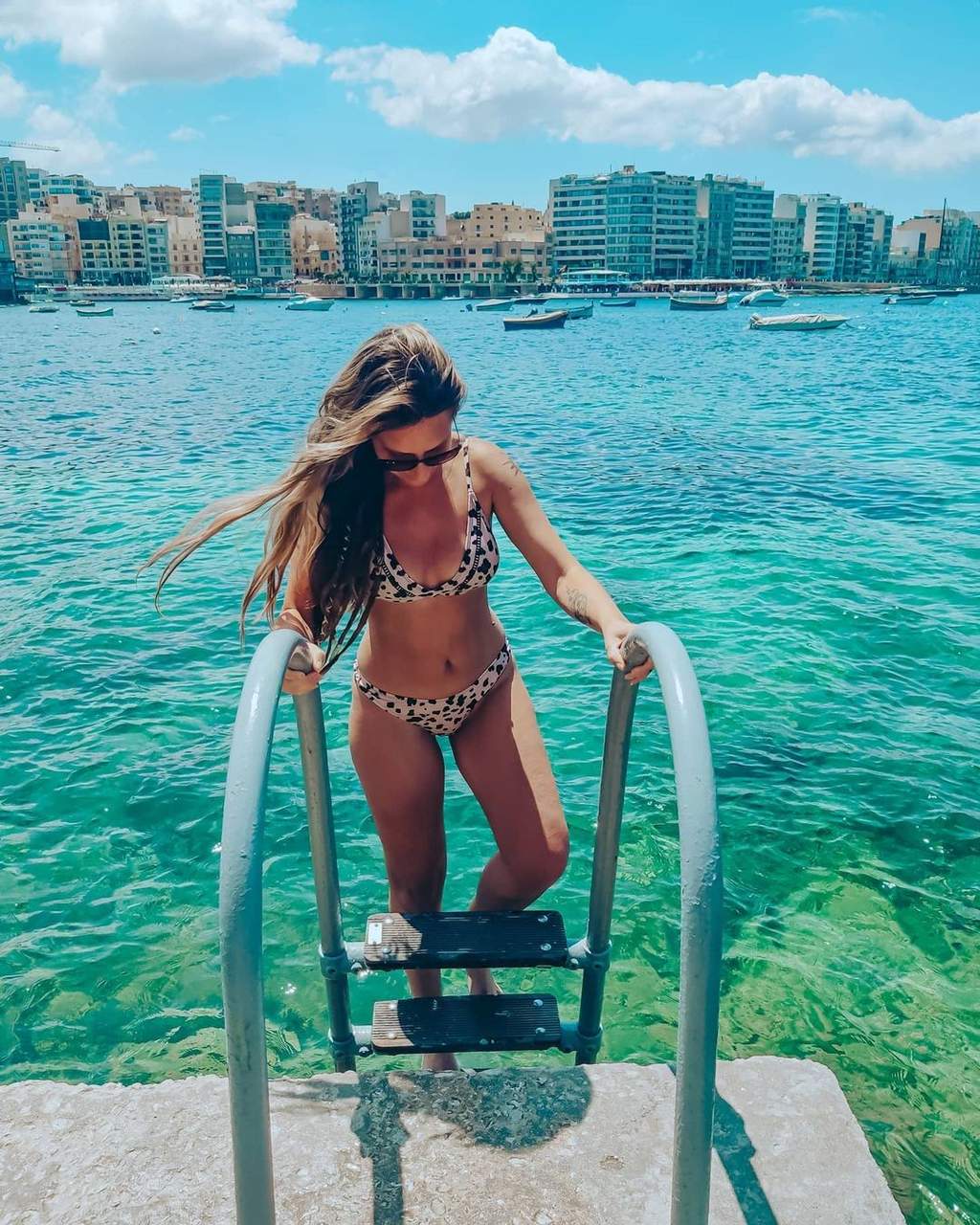
Beyond the pools the sea is deep and open, and metal ladders let you climb in and out without scrambling over the rocks. There is no sand and almost no natural shade, so most people bring a mat or cushion and an umbrella, or come early or late in the day. Kiosks and cafés along the promenade are only a few steps up from the rocks.
The rock-cut pools at Fond Għadir
The rectangular pools, known locally as il-banijiet (the baths), were cut in the late Victorian era, when sea bathing became fashionable but privacy still mattered. They were about 1.3 metres deep, with steps and channels to let seawater in, and some were once covered with wooden structures or canvas. Google Earth still labels them Roman Baths.
The pools are slowly wearing away. A 2007 study commissioned by the Sliema council found the Fond Għadir baths were eroding rapidly and losing their shape, and recommended submerged offshore barriers to protect the coast. As of 2025 they had not been individually scheduled by the Planning Authority, although man-made features over 50 years old are covered by the general protection of the Cultural Heritage Act. Please do not chip or alter the rock.
When to go to Fond Għadir
Fond Għadir faces the open sea to the north, so it is one of the places where the wind direction matters most. It is best in south-easterly, southerly, south-westerly or westerly winds, when the land shelters the shore and the sea is often flat. Avoid it in north-westerly, northerly, north-easterly or easterly winds, when waves roll in and can break over the lower platforms.
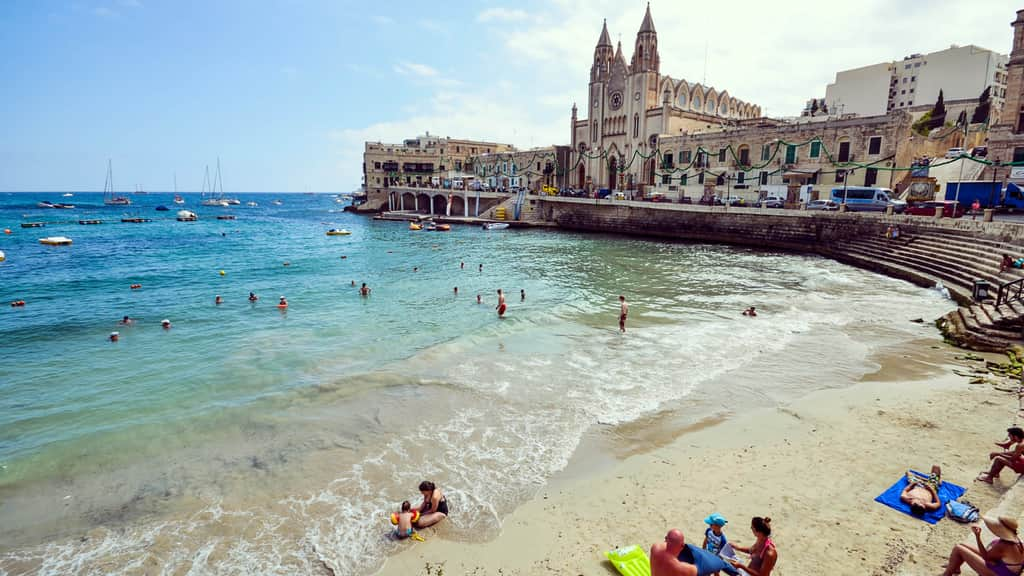
That matters because the north-westerly is Malta's most common summer wind, so on many summer days Fond Għadir is rougher than sheltered bays such as Balluta or St George's. The calmest days are often during spells of southerly or south-easterly wind, which many people find hot and humid inland. Early mornings, before the platforms heat up and the promenade gets busy, are the most pleasant time to swim.
Swimming and safety at Fond Għadir
The pools are the gentlest place to get in, and on calm days children often paddle in them. The open sea beyond is deep straight away, so it is best for confident swimmers, and anyone who cannot swim well should stay in the pools. Use the ladders rather than jumping from the rocks, as the depth and the rocks below the surface are not always obvious.
Waves are the real hazard. On rough days water can sweep across the low platforms without warning, and there has been at least one fatal incident involving a wave at Fond Għadir, so stay well back from the edge when the sea is up. Like other Sliema swimming spots, it has occasionally had bathing advisories after sewage overflows, so check the Environmental Health Directorate's notices after heavy rain. Storm Harry in January 2026 damaged parts of the Sliema waterfront, so check ladders and steps before relying on them.
Things to do near Fond Għadir
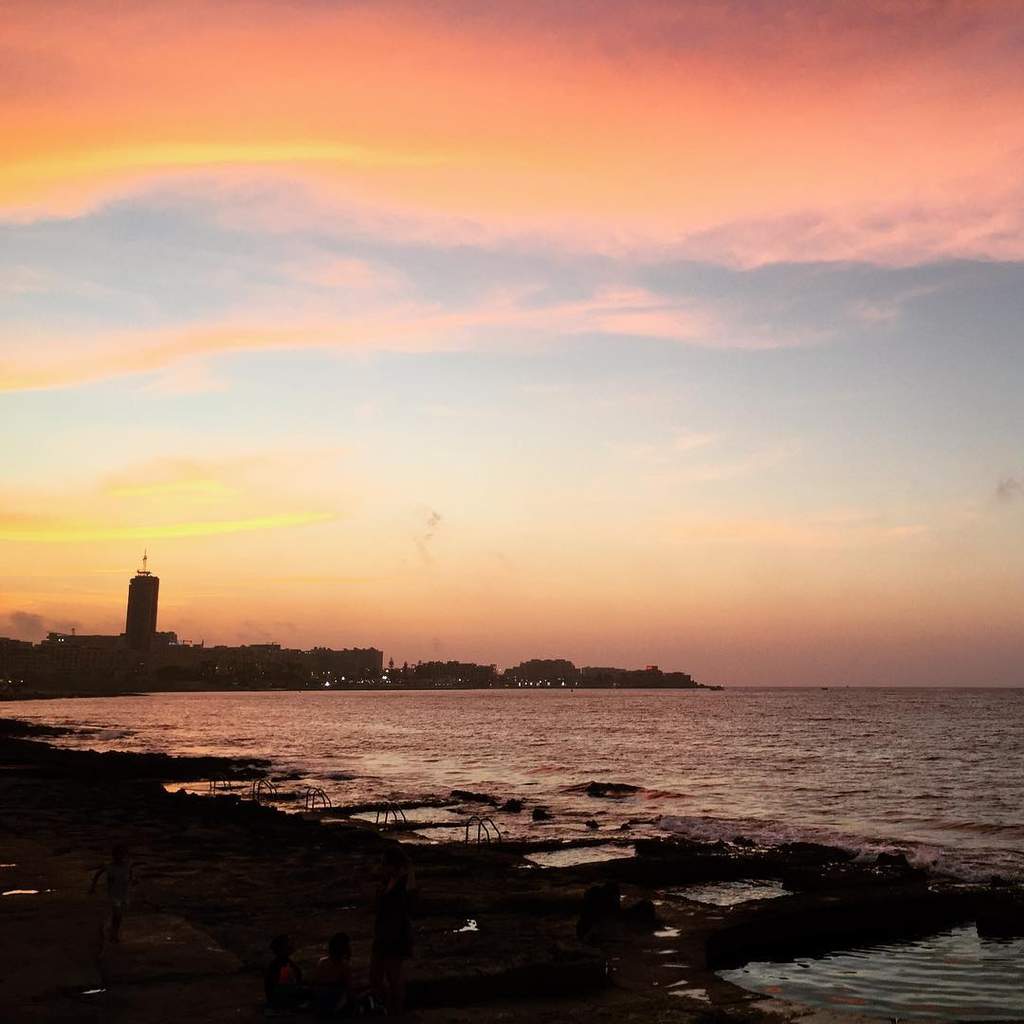
Fond Għadir is on the seafront promenade that runs from Qui-Si-Sana and Tigné in Sliema round to Balluta Bay and St Julian's, one of Malta's most popular walks, especially at dusk. Along the way you pass more rocky swimming spots, lidos and the 1658 St Julian's Tower, one of the De Redin coastal watchtowers, which gave Tower Road its name and now houses a restaurant.
Sliema's shops and cafés are a few streets inland, and the ferry to Valletta leaves from the Sliema Ferries waterfront on the harbour side of town. Food and drink are easy: kiosks, cafés and restaurants line the promenade above the rocks, so you need to bring little more than water, sun cream and something soft to lie on.
Frequently asked questions
Is Fond Għadir sandy?
No. It is a rocky shore with flat rock platforms, rock-cut pools and ladders into the sea.
How do I get to Fond Għadir by bus?
Use the Għadir stop on Tower Road, served by routes 13, 13A, 21, 202, 222 and 225.
Is Fond Għadir good for kids?
The shallow rock pools are popular for paddling, but the sea gets deep quickly past them and the rocks are sharp, so it suits older children better than toddlers.
Is there parking at Fond Għadir?
Only on-street parking in Sliema, which is hard to find in summer. Public transport is the easier option.
Are the Fond Għadir pools really Roman?
No. Despite the nickname Roman Baths, the rock-cut pools date to the late 19th century, when they were cut for private sea bathing.
Is Fond Għadir a Blue Flag beach?
Yes, it was one of 13 beaches in Malta and Gozo awarded a Blue Flag for 2025. The award is given one season at a time, so check the current list.
Is Fond Għadir good to swim at in a north-westerly wind?
Usually not. Fond Għadir is open to the north, so north-westerly and northerly winds bring waves onto the rocks. It is calmest when the wind is from the south or west.
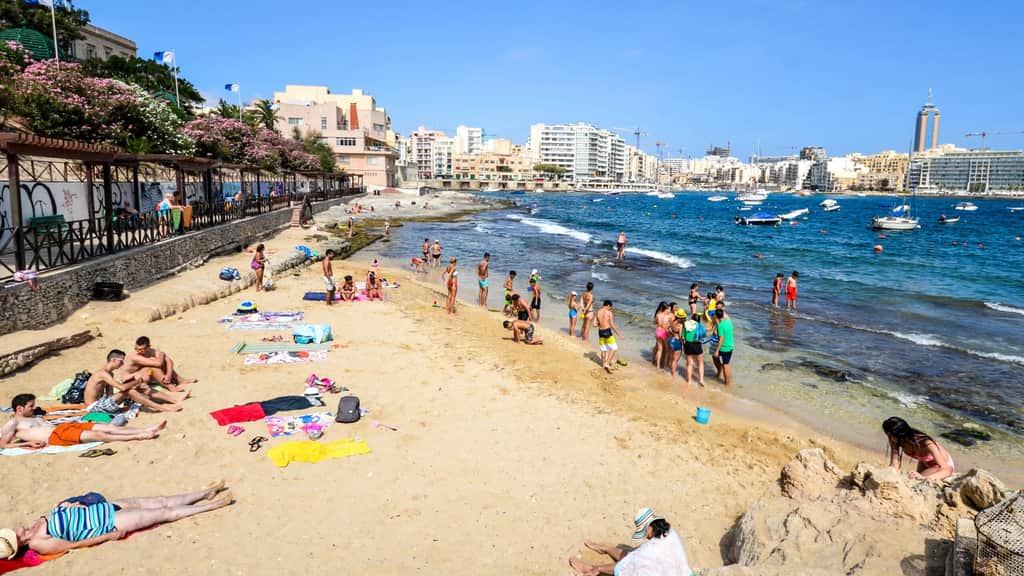
Are there sunbeds at Fond Għadir Bay?
Yes. Surfside and The Preluna Beach Club rent sunbeds.