About Azure Window
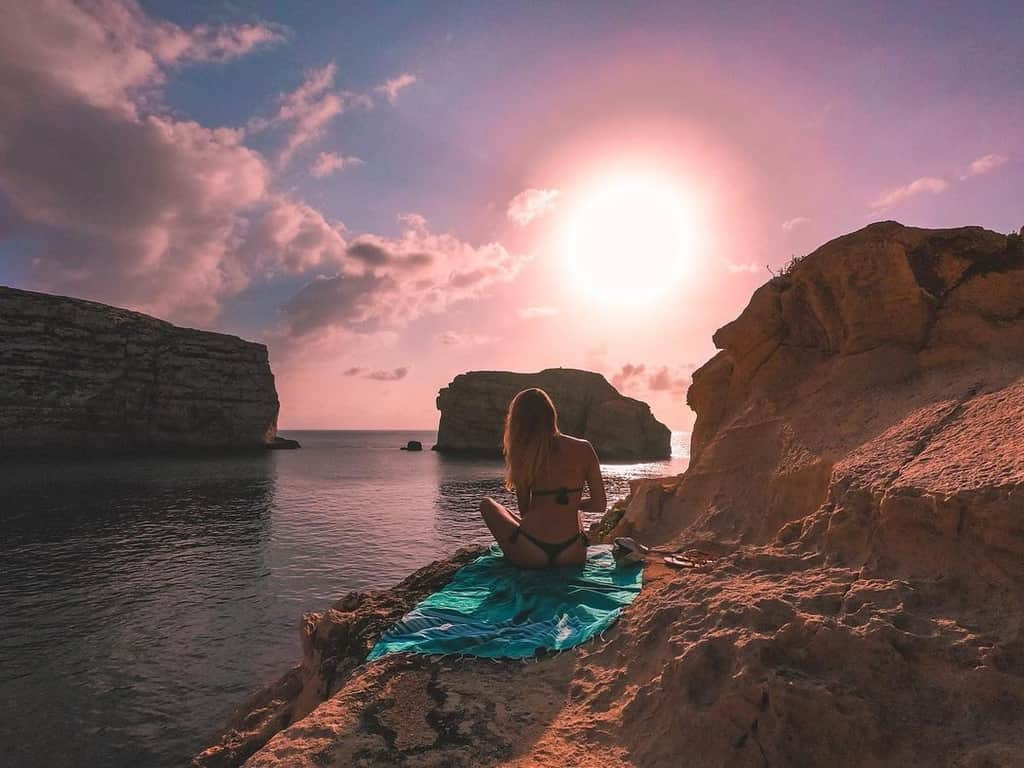
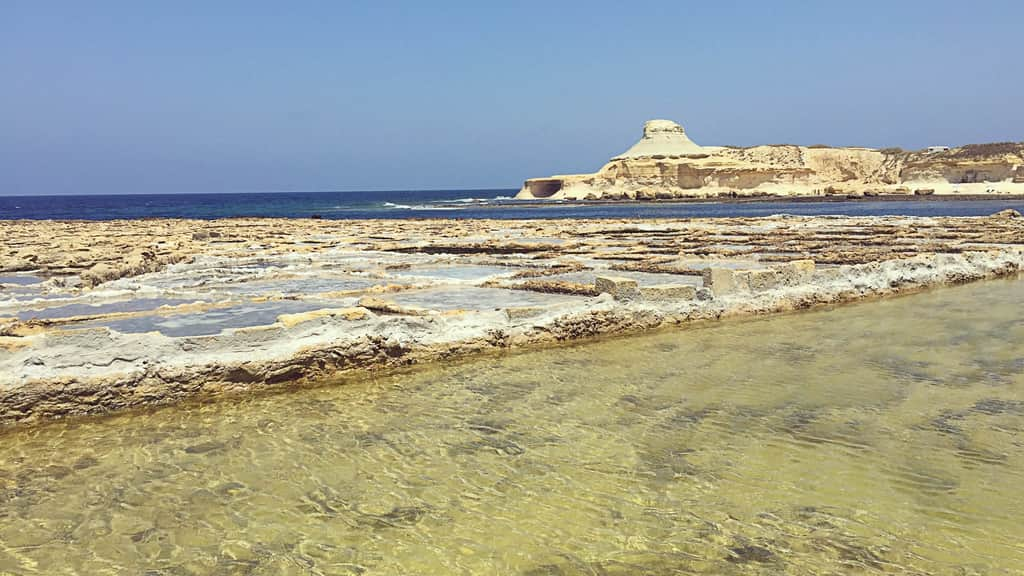
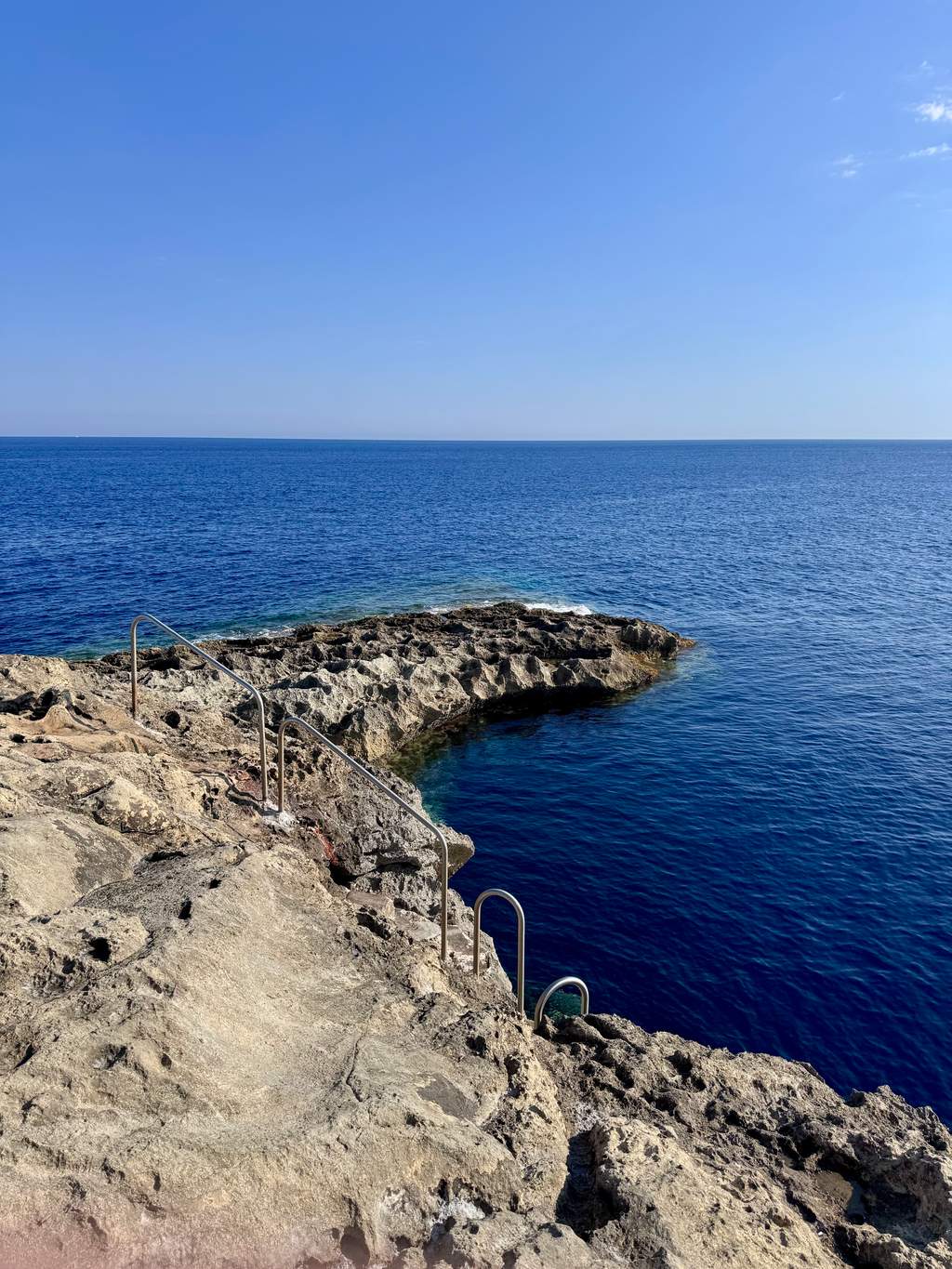
This is the stretch of flat, pitted rock at Dwejra Point on Gozo's west coast, where the Azure Window stood until the morning of 8 March 2017. The natural arch, about 28 metres high with a span of around 25 metres, collapsed into the sea after a night of heavy storms, and nothing of it is left above the water. What remains is a wide limestone shore facing the open sea, the Blue Hole beside it, and cliffs running round to Fungus Rock.
People still come in large numbers. Some come to see where the arch stood, others to swim and snorkel at the Blue Hole on calm days, to dive the fallen arch, or to watch the sun go down over the open sea. Dwejra is a Special Area of Conservation, and it has been on Malta's tentative list for UNESCO World Heritage status since 1998.
What the Azure Window site is like
From the car park you walk around 200 metres over bare, ancient coralline limestone to the water. The rock is uneven and sharp in places, full of small holes and pools, so trainers or water shoes are better than sandals, especially if you are carrying dive or snorkel gear. The cliff on the right is all that is left of the headland that held the arch.
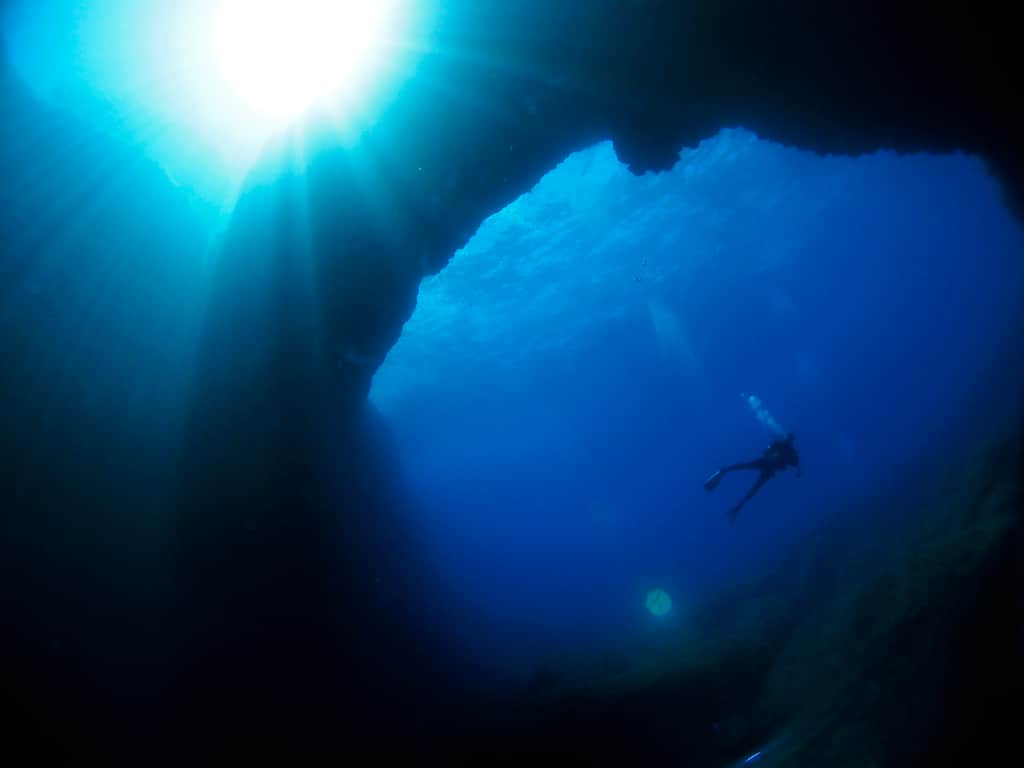
The Blue Hole is a round pool in the rock about 10 metres across and around 15 metres deep, open to the sea through an arch below the surface. The Azure Window itself was cut by the sea over centuries, and in its last years it was cracking fast: a December 2016 order banned walking on top of it, though people still did. Before it fell, the arch appeared in several films and in the first series of Game of Thrones.
When to go to the Azure Window site
The shore faces the open sea to the west and north-west, with nothing to break the waves. It is at its calmest in north-easterly, easterly or south-easterly winds, which blow off the land. Avoid it in south-westerly, westerly or north-westerly winds, and expect it to be choppy in northerly or southerly winds. Because the north-westerly is Malta's most common wind, many summer days here are too rough for swimming, so check before you make the trip across Gozo.
June to September has the most calm days. Late morning to mid-afternoon is when the tour coaches arrive and the rocks around the Blue Hole are at their busiest. Come early for a quieter swim, or late in the day for the sunset, which is the main reason many people visit. In winter the site is for walking and watching the waves, not swimming.
Swimming and snorkelling at the Blue Hole
A rough path carved into the rock leads down to a single entry point. From there you can swim right into the Blue Hole or left along the reef to the Coral Gardens, which are shallower and usually the better choice for snorkellers, as the Blue Hole is small and often crowded with divers. Getting out is the hard part when there is any swell, as waves lift you against sharp rock, so if it looks marginal, don't go in.
The underwater arch that links the Blue Hole to the open sea begins at around 8 metres. Leave it to trained divers and freedivers, and don't try breath-hold swims through it if you are not trained for it. There is no lifeguard on the rocks, so swim with someone else and keep a float with you if you head out of the pool.
Diving at the Azure Window site
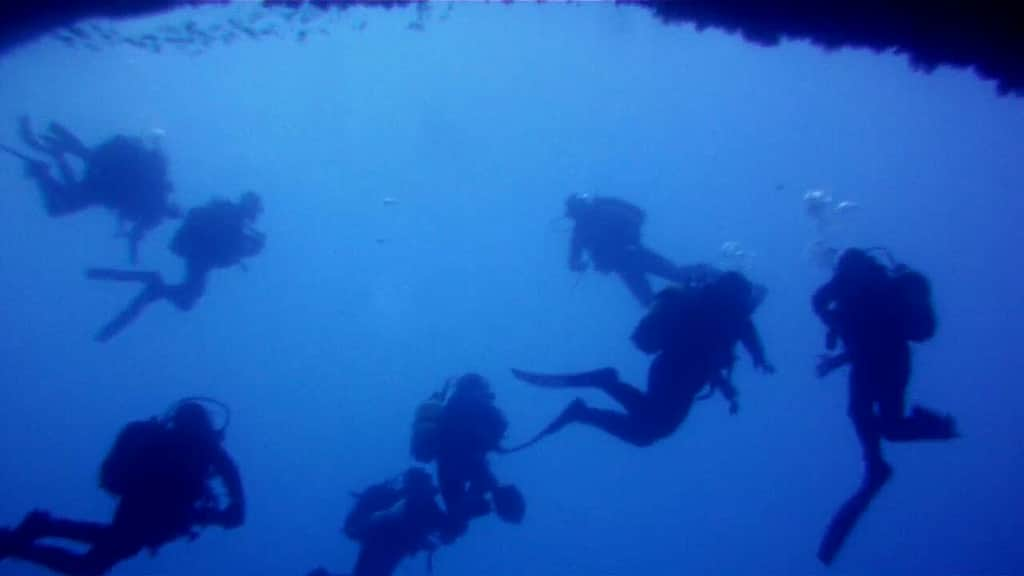
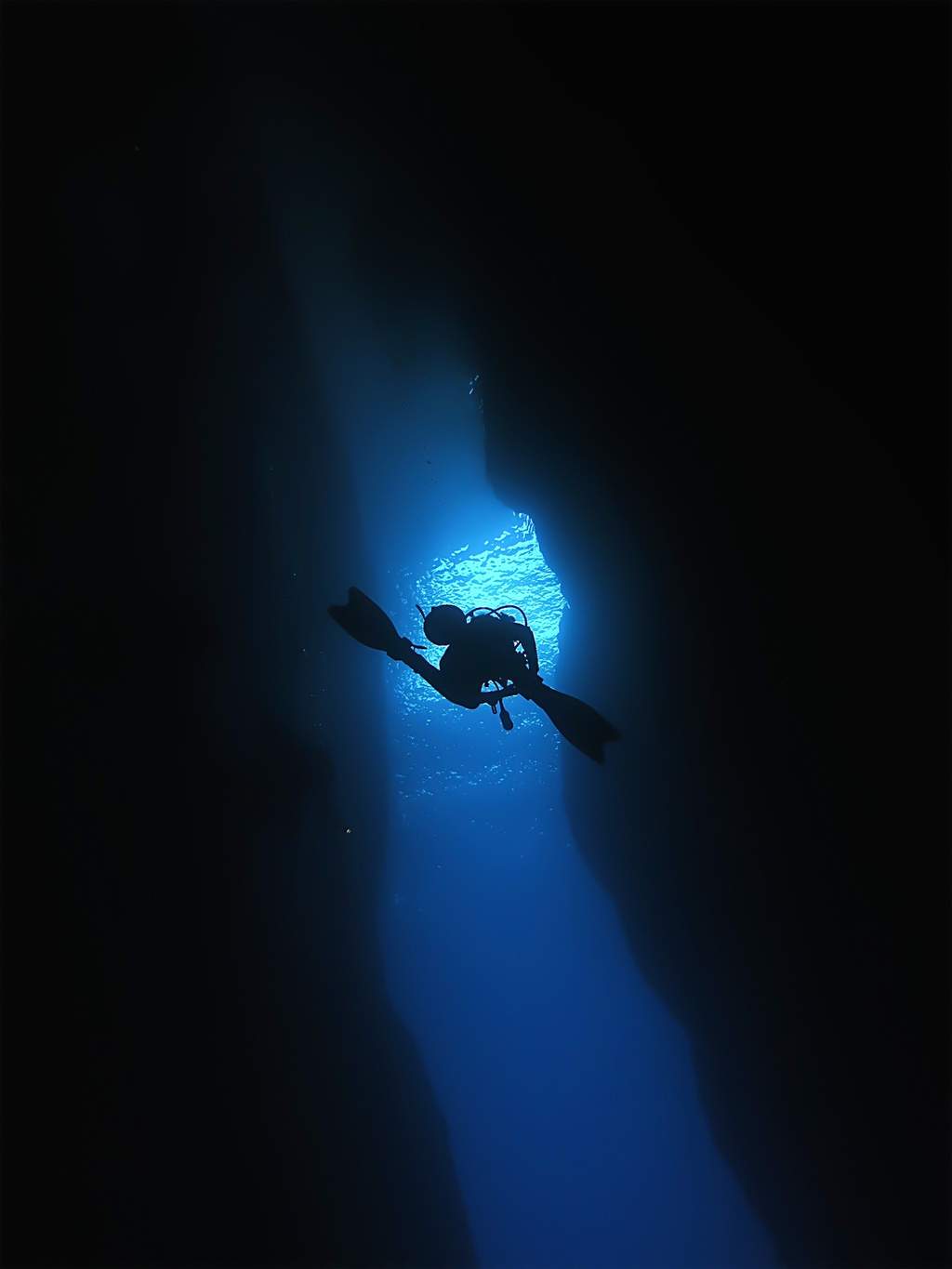
Dwejra is one of the best-known dive areas in the Mediterranean, and most dives here start at the Blue Hole. The remains of the arch, now called Azure Reef, lie as a jumble of huge blocks from just below the surface to beyond 40 metres, with canyons, swim-throughs and a cavern. Marine life is slowly colonising it, and the blocks can still shift, so dive it with a guide who knows the current layout.
Other dives nearby include the Chimney, a fissure at about 18 metres that leads up through the headland to the Coral Gardens, and Crocodile Rock, to the right of Fungus Rock, where groupers, barracuda and amberjacks are seen, mostly at 18 metres or deeper. Dive centres across Gozo run guided shore dives here when the sea is calm.
Things to do near the Azure Window site
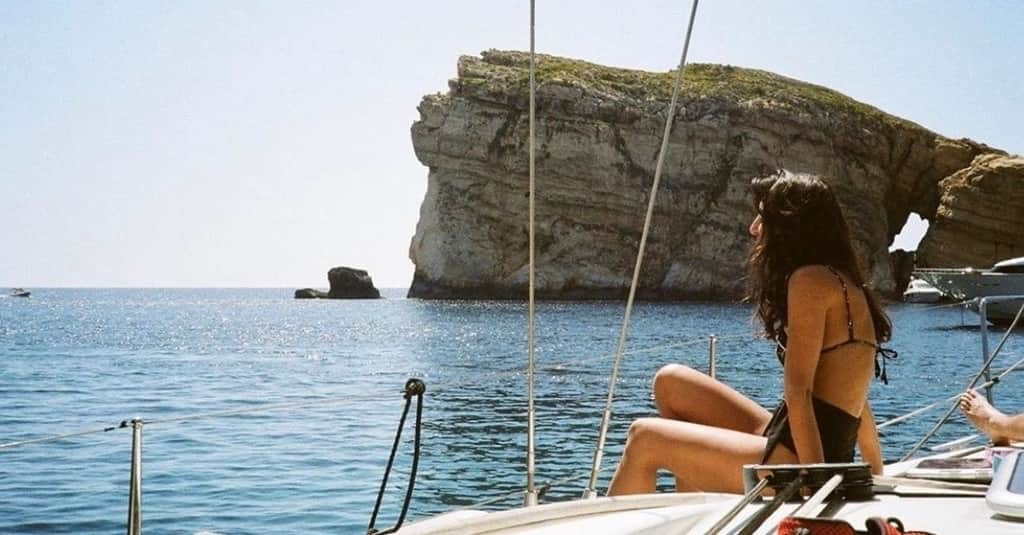
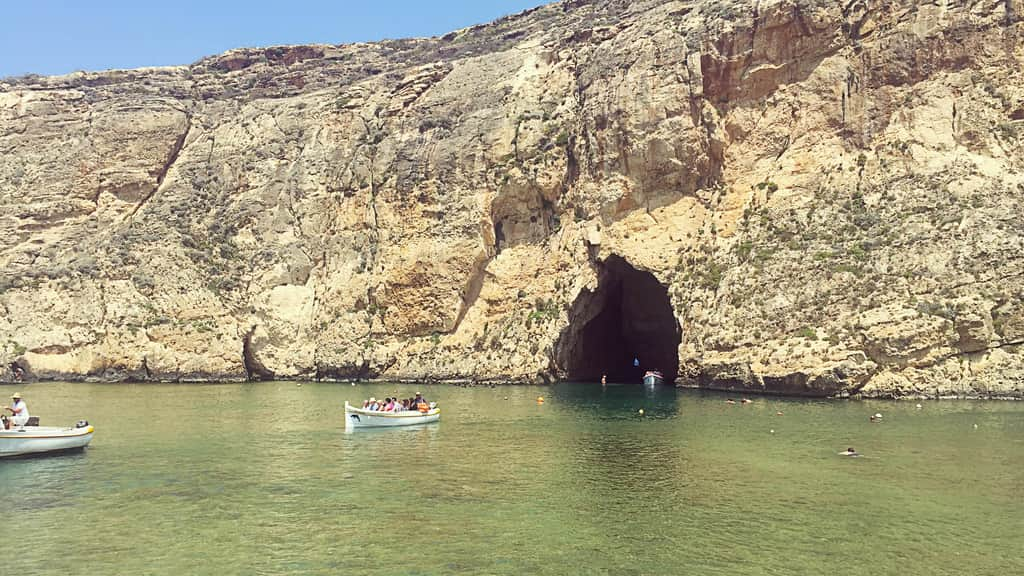
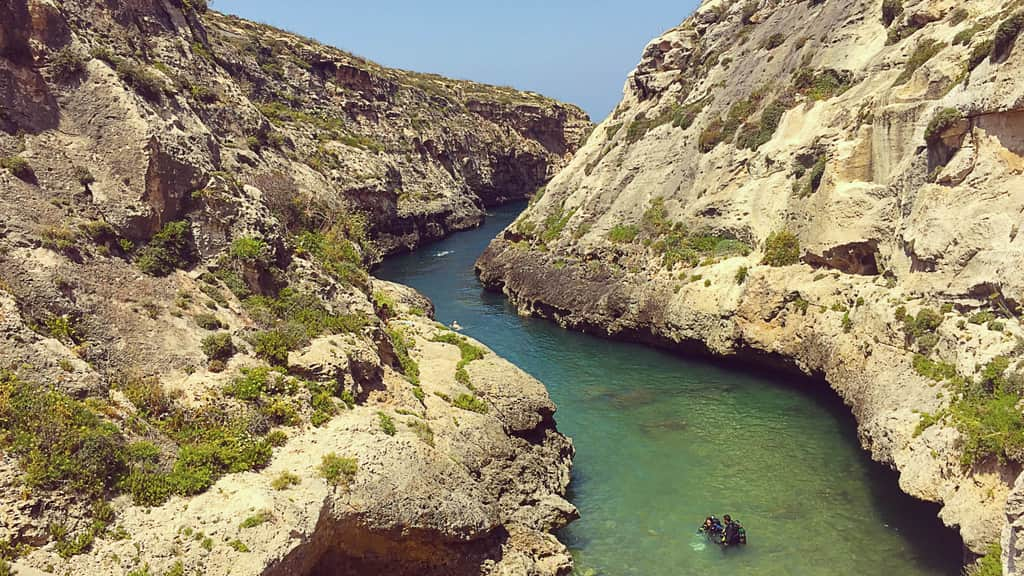
Fungus Rock, Il-Ġebla tal-Ġeneral, is a 60-metre limestone stack at the entrance to Dwejra Bay and a nature reserve. It is named after Cynomorium coccineum, a parasitic plant on its flat top that the Knights valued as a medicine. In the 18th century Grand Master Pinto declared the rock out of bounds and posted a guard. Dwejra Tower, built in 1652, overlooks it, and the Inland Sea, with its boat trips through the cliff tunnel, is about 500 metres away.
A restaurant and a kiosk stand about 400 metres from the rocks, and food and drinks trucks park by the car park in season. Public toilets are near the chapel. For another arch that is still standing, Wied il-Mielaħ Window is about 4 km north-east along the coast, near Għarb.
Frequently asked questions
Is the Azure Window still there?
No. The arch collapsed into the sea in March 2017. Its remains underwater are now a dive site, and the Blue Hole beside it is still there.
Can you swim at the Azure Window site?
Yes, in calm weather you can swim and snorkel at the Blue Hole from the rocks. In rough seas it is dangerous, so use the Inland Sea instead.
Is there parking at Dwejra?
Yes, there is a free public car park at the end of the road, though it gets busy in summer.
How do I get to Dwejra by bus?
Take bus 311 from Victoria to the San Lawrenz (Dwejra) stop. It runs roughly every hour.
When did the Azure Window collapse?
At about 9:40 in the morning on 8 March 2017, after heavy storms. The pillar gave way first and the top fell with it, leaving nothing above the water.
Where is the best snorkelling at the Azure Window site?
From the single entry point by the Blue Hole, swim left to the Coral Gardens. They are shallower and less crowded than the Blue Hole itself, which is busy with divers.
What is Fungus Rock?
A 60-metre limestone islet at the mouth of Dwejra Bay, named after a rare parasitic plant on its top that the Knights used as medicine. It is a nature reserve.
Can you get to Azure Window by boat?
Yes. Boat trips to Azure Window run with Dwejra Boat Trips.