About Xwejni Bay
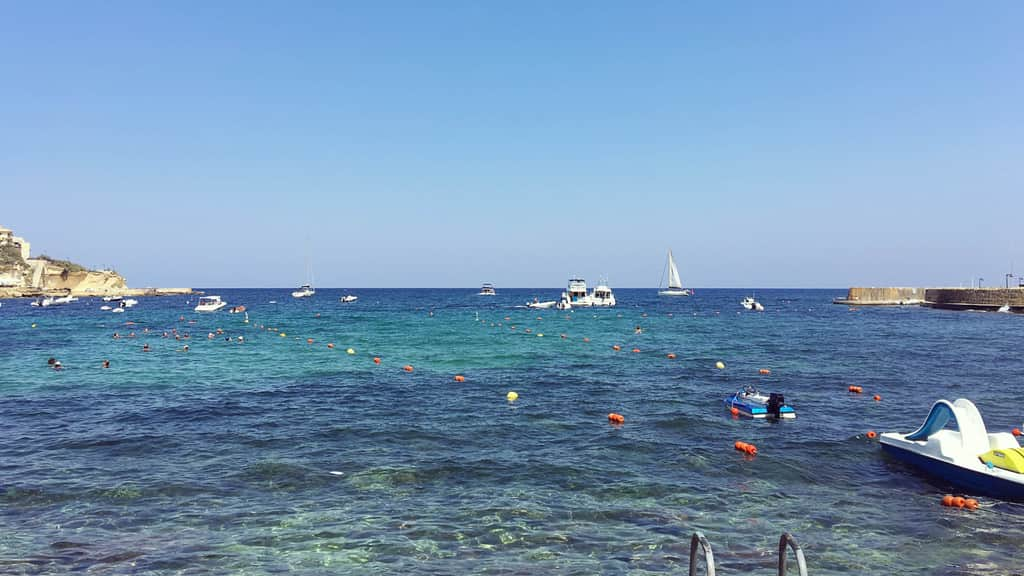
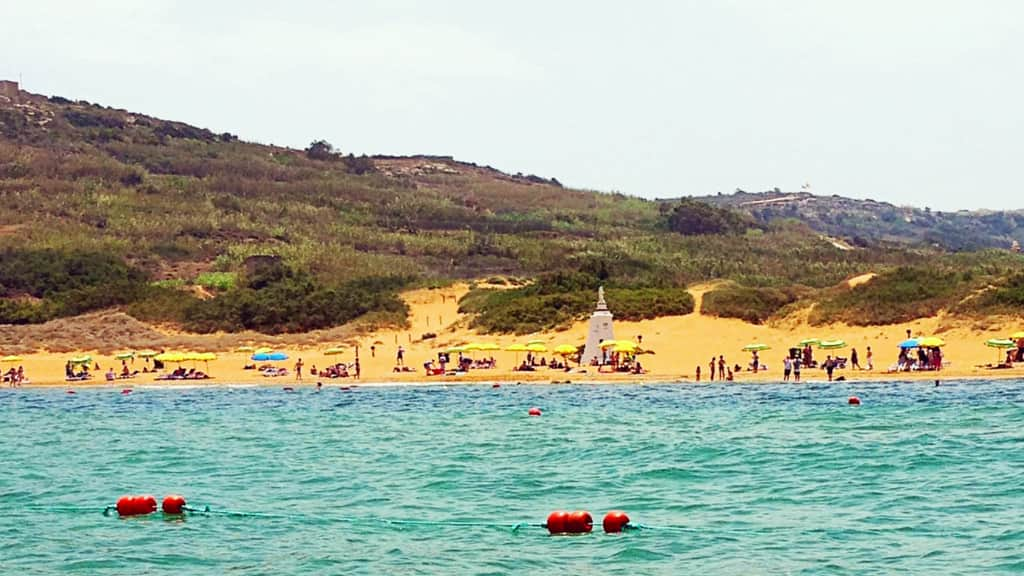
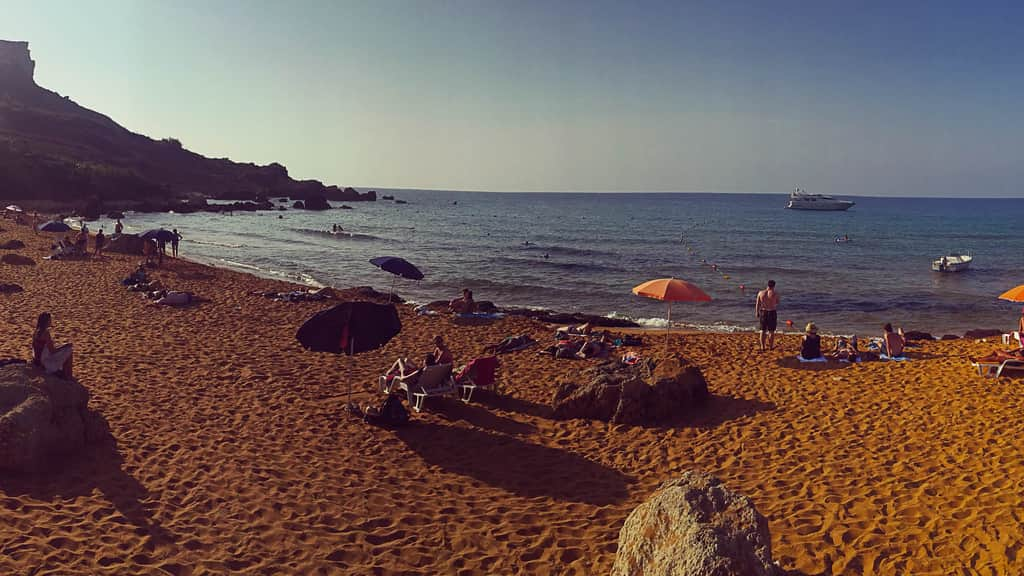
Xwejni Bay is a small, shallow inlet on Gozo's north coast, just west of Qbajjar, where the built-up seafront of Marsalforn ends and the salt pans begin. The shore is a mix of pebbles, flat rock and a patch of sand, and the water stays shallow a long way out, which makes it a favourite with families and with dive schools training beginners.
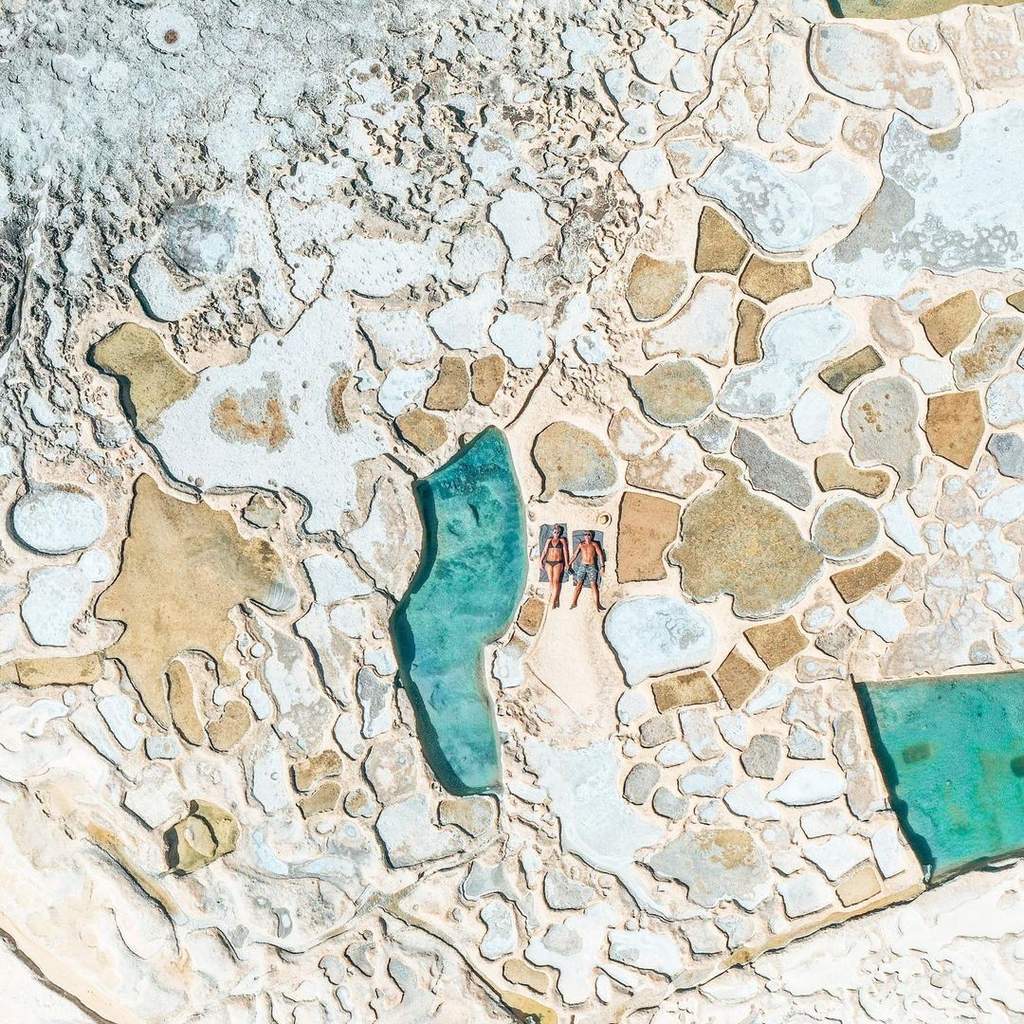
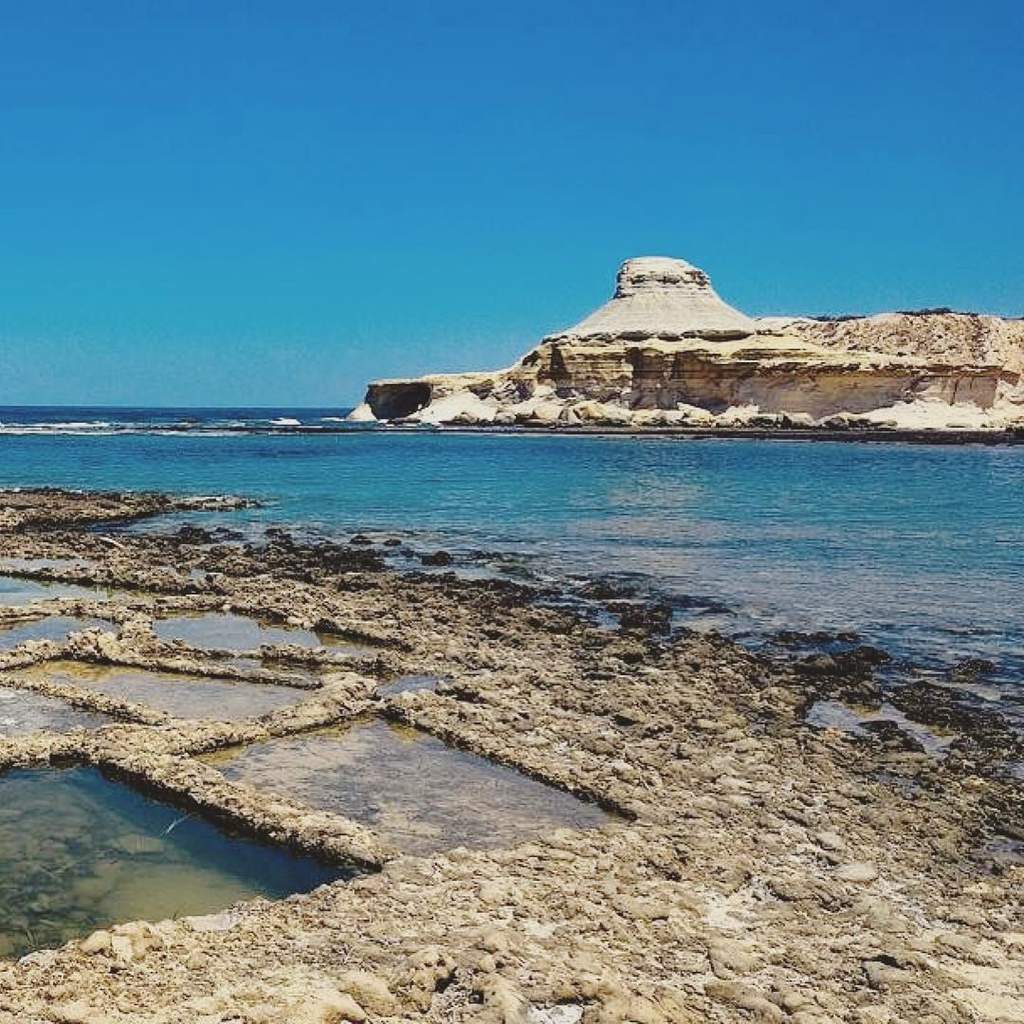
It is also the start of one of the most photographed stretches of coast in Gozo: the Xwejni salt pans, a chequerboard of shallow pools cut into the rock that runs west along the shore for a few kilometres. The bay was recognised as a Beach of Quality in 2025.
What Xwejni Bay is like
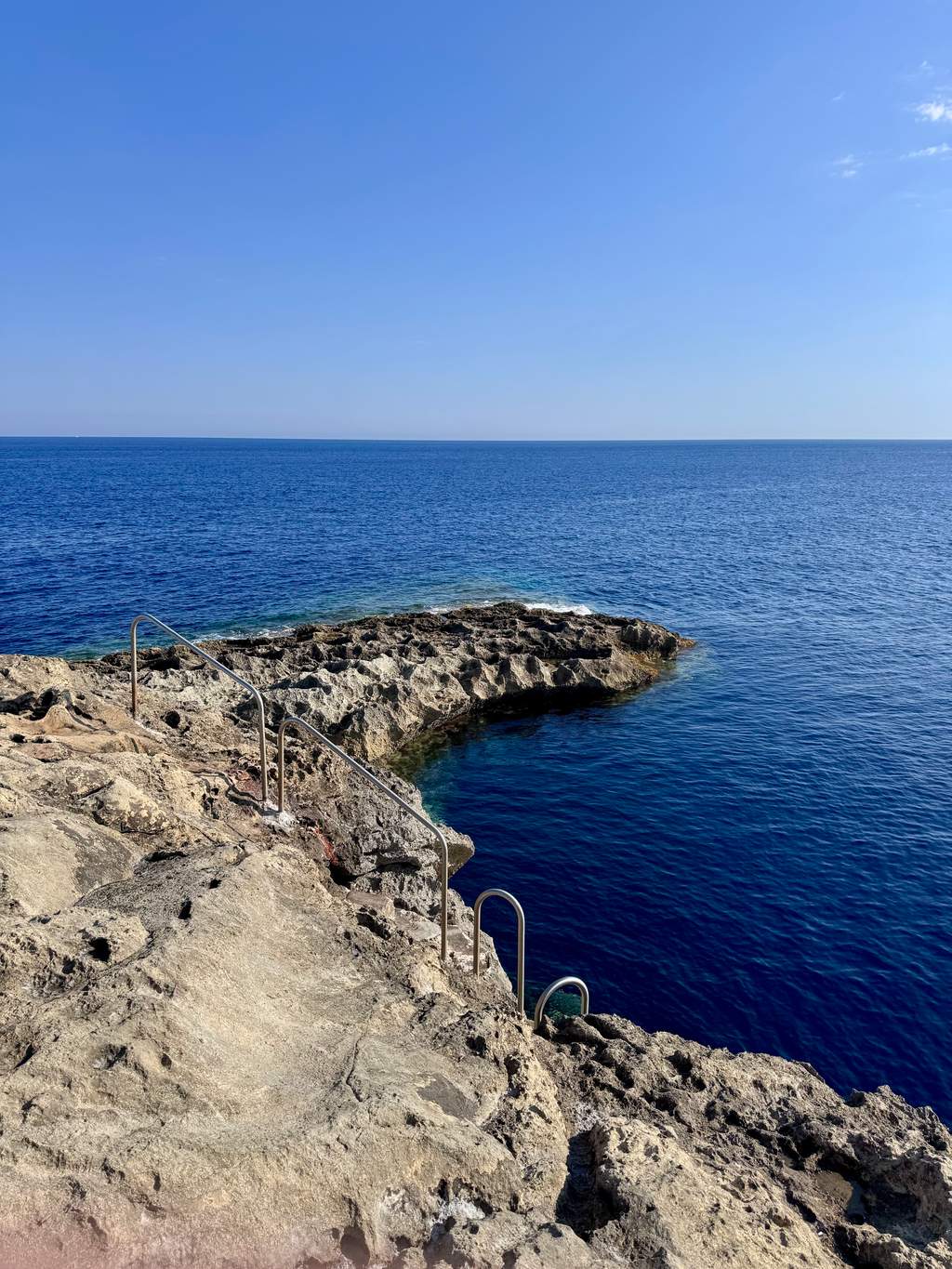
The bay is a narrow, sheltered inlet with a gently sloping entry. Close to the shore the seabed is sand, then pebbles and gravel with scattered boulders, and patches of seagrass further out. The first few metres are often covered in algae, so water shoes help. Flat rock on either side gives space to lay out a towel when the small beach is full.
A few small fishing boats are kept here, and the road runs right along the bay, so it feels more like a village swimming spot than a wild beach. Kiosks on the shore and the restaurants of Qbajjar, a couple of hundred metres to the east, mean you never have to go far for a drink.
When to go to Xwejni Bay
Xwejni faces north. It is at its calmest in south-easterly, southerly or south-westerly winds, which blow off the land. Avoid it in north-westerly, northerly or north-easterly winds, which send waves into the inlet and over the rocks, and expect some chop in an easterly or westerly. On many summer days the north-westerly makes the bay livelier than its shallow water suggests.
Mornings are the quietest time, before dive groups and families arrive. Late afternoon is a good time to combine a swim with a walk along the salt pans, when the low sun lights up the pools and the cliffs of the north coast.
Swimming and safety at Xwejni Bay
On a calm day this is one of the easiest bays in Gozo for children and nervous swimmers, as the water is shallow and the entry is gentle. Further out the bottom turns rocky, with cracks and crevices, and depths reach around 10 metres near the mouth of the inlet.
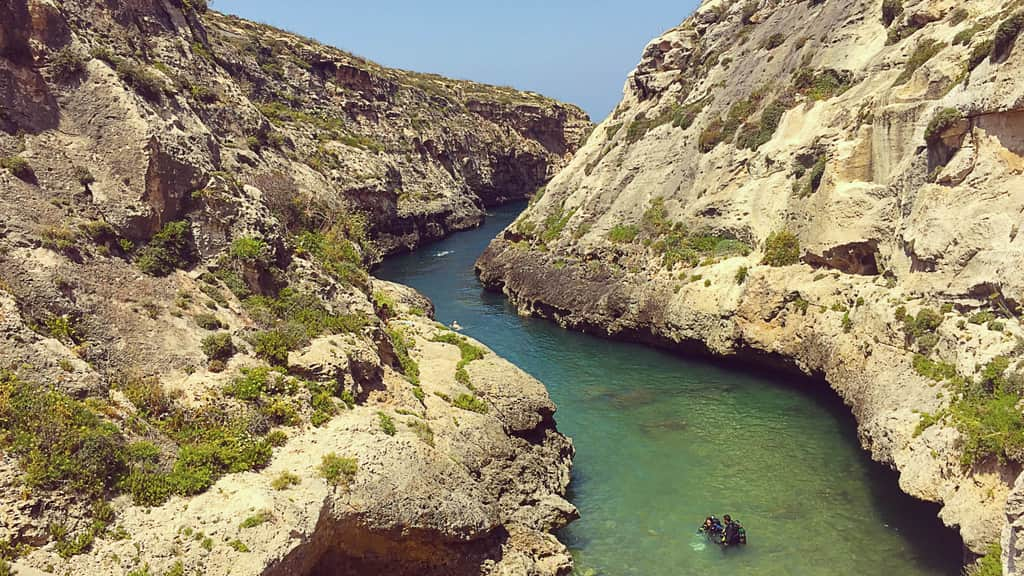
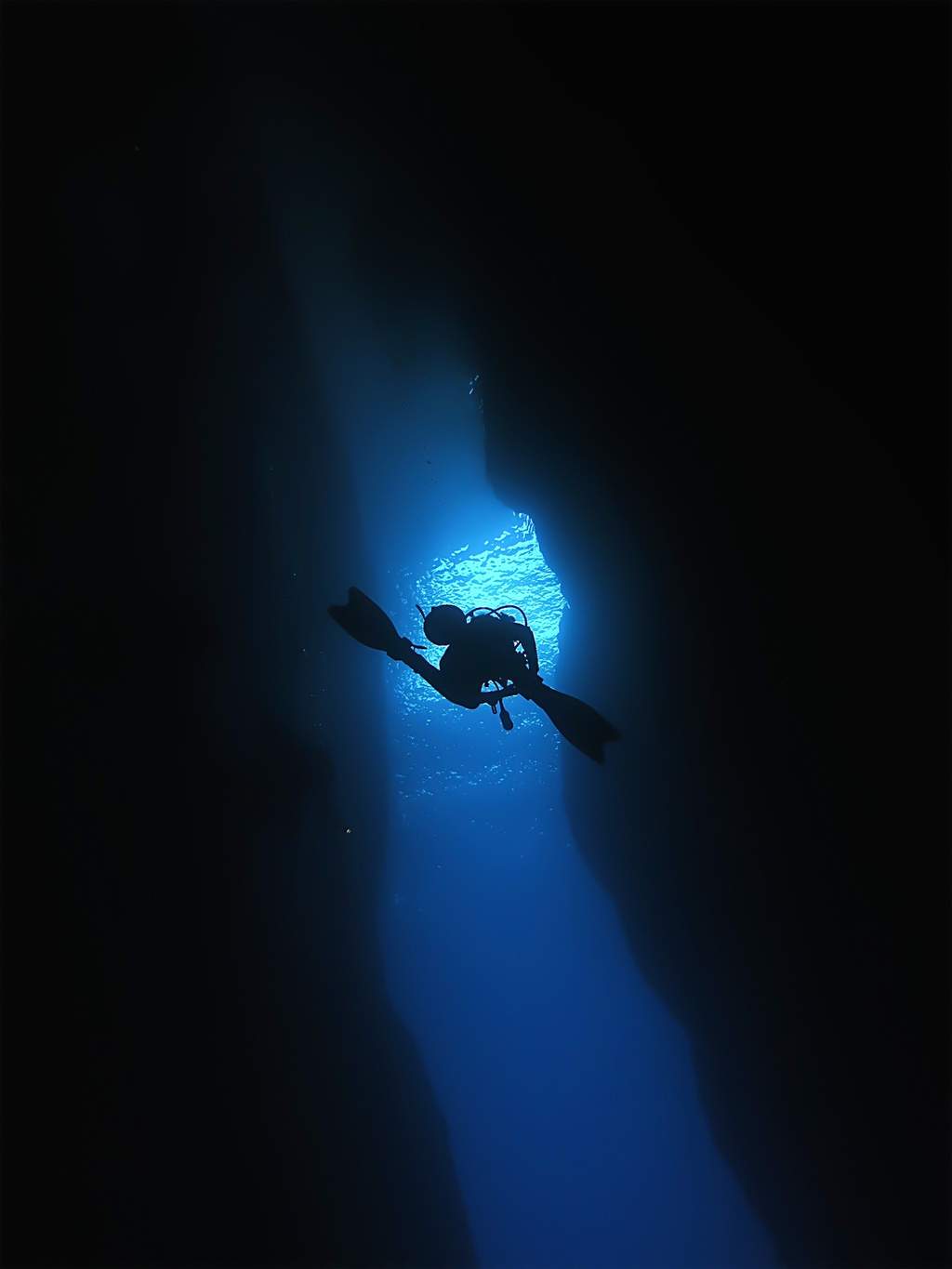
Dive schools use the bay for training, so expect groups of divers in the water and keep clear of their surface buoys. Don't count on a lifeguard. When waves roll in from the north, stay out of the water at the rocky edges, where the swell can knock you against the rocks.
The Xwejni salt pans
West of the bay, the salt pans stretch along the coast for several kilometres, divided among a few salt-farming families. One family has worked them since the 19th century, and salt making by evaporation in Gozo goes back to Phoenician and Roman times. Seawater is pumped into large feeder pools, then moved into the shallow pans, where the sun, wind and warm rock dry it out over about a week before the crystals are raked up by hand.
The harvest runs through the summer, roughly from May to August, with work starting before dawn. A small shop above the pans sells the salt. Respect the signs and don't walk on the pans when taking photographs, as footprints contaminate the salt.
Things to do near Xwejni Bay
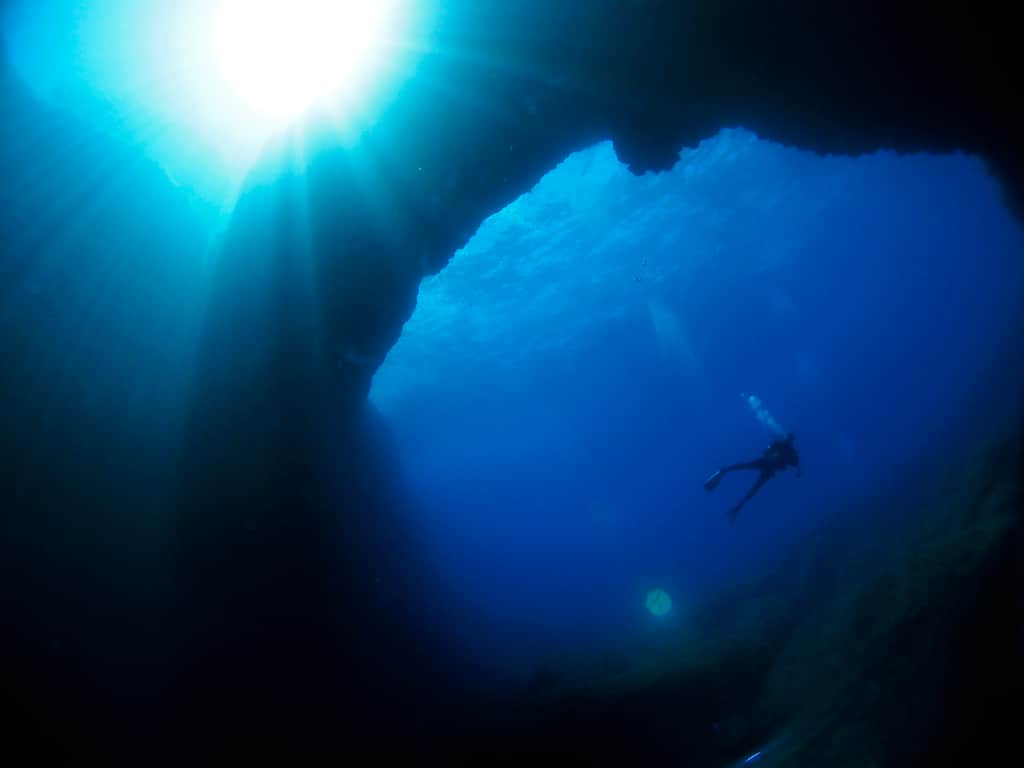
The coast path along the salt pans continues west towards Wied il-Għasri, about 1.8 km away, with views of the cliffs all the way. Divers have two well-known sites close by: Twin Arches, a short way west, and Reqqa Point, Gozo's northernmost tip, further along. Snorkellers will find the clearest water along the rocks at the mouth of the bay on calm days.
Marsalforn is about 1.3 km east, with dive centres, boat trips and a wider choice of restaurants. Qbajjar, in between, has a handful of restaurants and pizzerias along the seafront.
Frequently asked questions
Is Xwejni Bay sandy?
Partly. It's mostly pebbles and rock, with a sandy patch on one side and shallow water.
How do I get to Xwejni Bay by bus?
Take route 310 from Victoria, which runs through Qbajjar and Xwejni.
Is Xwejni Bay good for kids?
Yes, the water is shallow and calm in settled weather, and there are toilets and food nearby.
Which way does Xwejni Bay face?
North. It is calm in southerly winds but rough in north-westerly, northerly and north-easterly winds.
Can you buy salt at the Xwejni salt pans?
Yes. A small shop above the pans sells salt harvested there, mainly during and after the summer harvest.
Is Xwejni Bay good for diving?
Yes, for beginners. The shallow, sheltered inlet is used for training dives, and the Twin Arches and Reqqa Point sites are nearby.
Is there somewhere to eat at Xwejni Bay?
Yes, on the beach: Crab Shell Kiosk and SaltSide - Xwejni Kiosk.