About Ramla Ħamra Bay
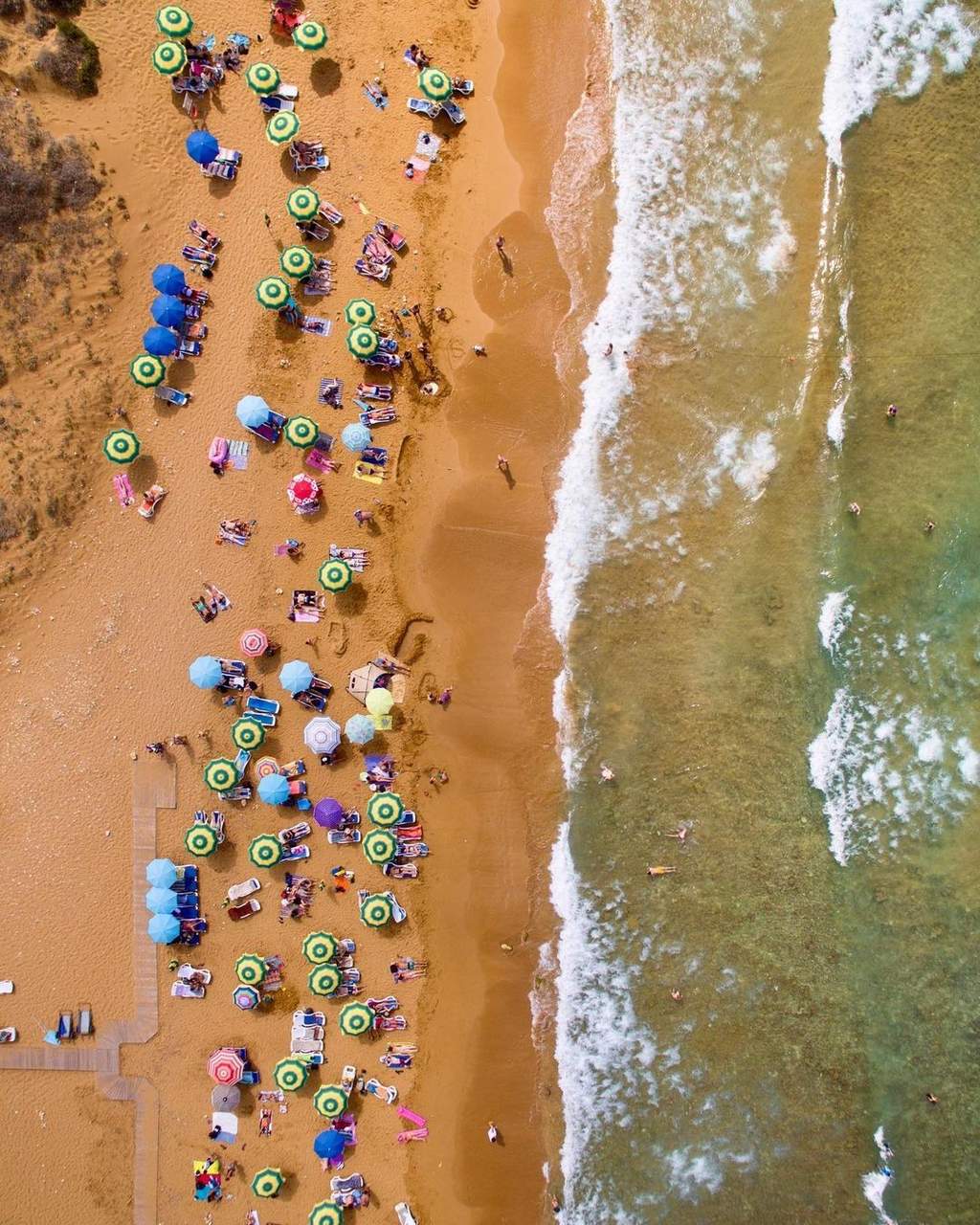
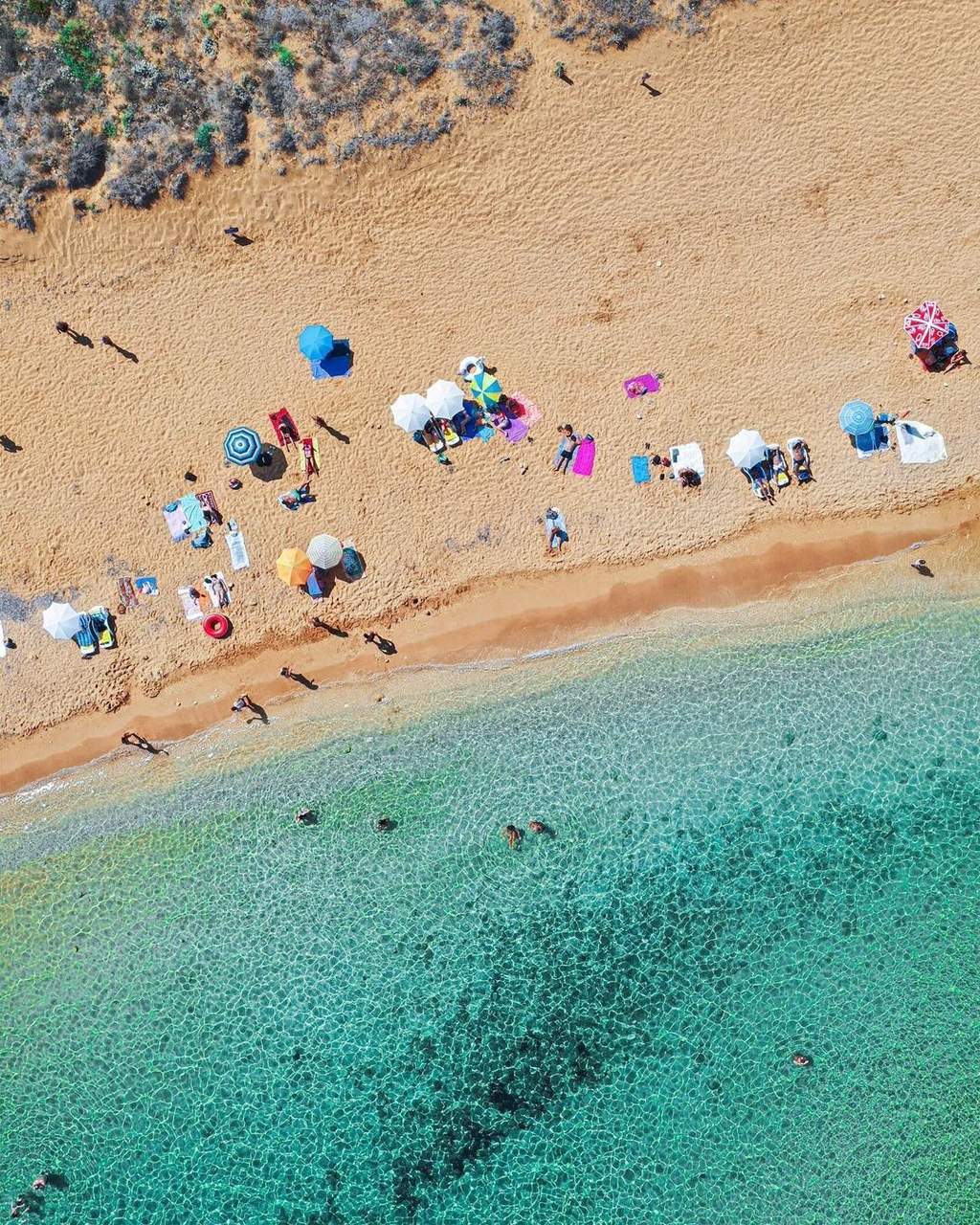
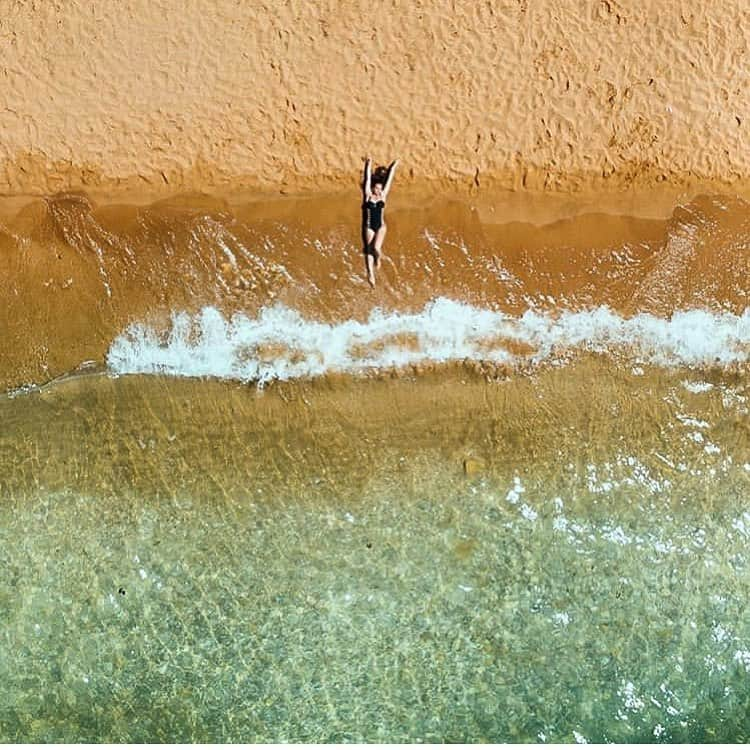
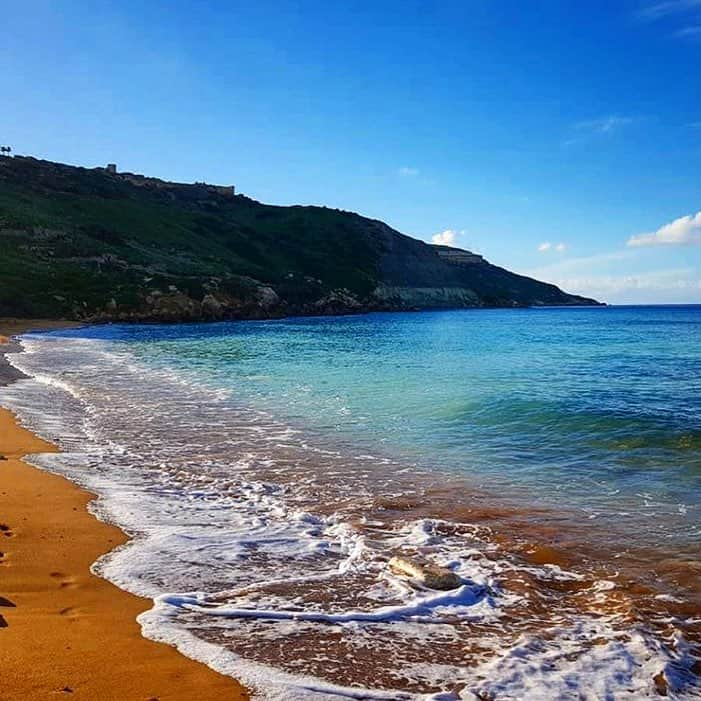
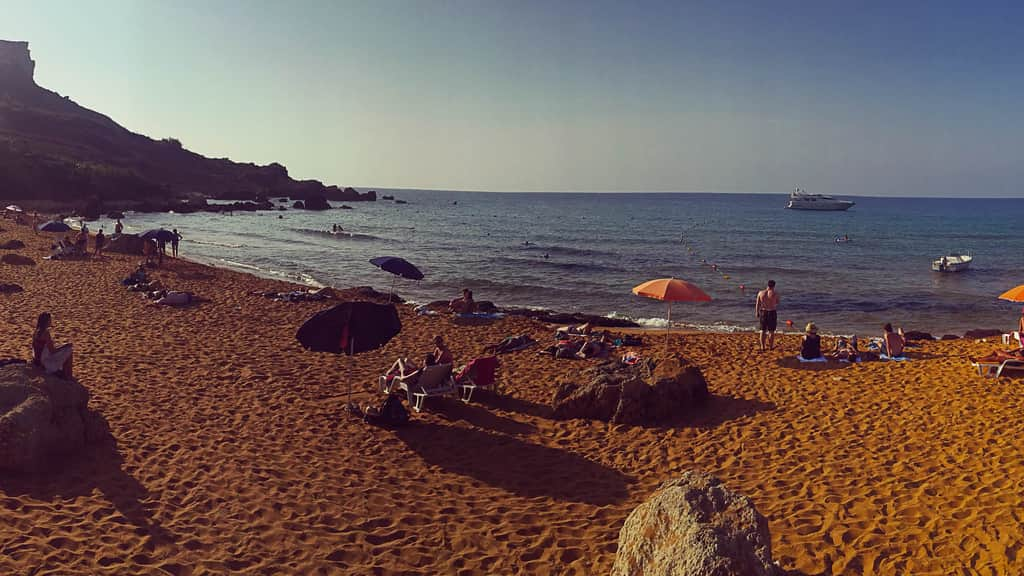
Ramla l-Ħamra, usually just called Ramla, is the largest sandy beach in Gozo. It lies at the foot of a green valley on the north coast between Xagħra and Nadur, and the name means the red sand: a deep orange-red that stands out against the water, backed by low dunes, clay slopes and terraced fields climbing towards Xagħra.
It is the obvious family beach on the island. The sand shelves gently, there are lifeguards in season, and snack bars and sunbed hire sit at the back of the beach, yet there are no hotels or apartment blocks in view. The bay held Blue Flag status in 2025. Because it faces north, it is also one of the first Gozo beaches to turn rough when the north-westerly picks up.
What Ramla Bay is like
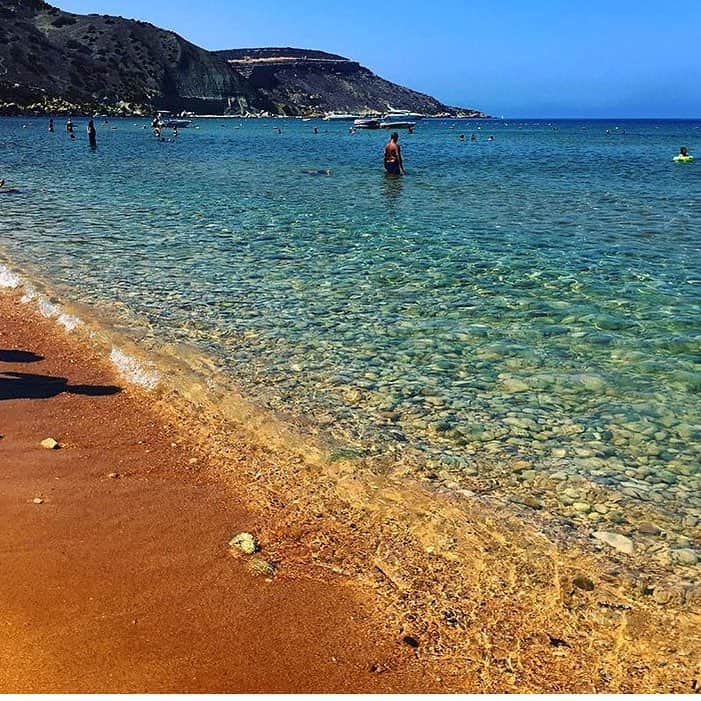
The beach is long and wide by Gozo standards, a broad arc of soft reddish sand between two rocky headlands. The seabed is sandy and slopes gently, so you can wade a long way out before it gets deep. The centre of the bay, where the valley runs out to the sea, collects pebbles and debris after rain, so the entry there is a little rougher; the ends of the beach usually have cleaner sand underfoot. A white statue of the Virgin Mary stands on the sand in the middle of the bay.
Behind the beach is one of the few sand dune systems left in the Maltese Islands. The bay is a protected Natura 2000 site, and the dunes hold species found almost nowhere else in Malta,; keep to the paths. Loggerhead turtles nest here too: at least eight nests were recorded on the beach in the summer of 2024, and more in 2025. When a nest is found it is cordoned off and watched by volunteers. Keep lights, noise and footfall away from any fenced area, especially at night.
When to go to Ramla Bay
Ramla faces north, open to the sea between Gozo and Sicily. It is at its best when the wind blows from the south-east, south, south-west or west, which leaves the water flat and clear. Avoid it in north-westerly, northerly or north-easterly winds, which send waves straight onto the beach, and expect some chop in an easterly. The north-westerly is Malta's most common wind, so there are plenty of summer days when Ramla is lively while Ħondoq ir-Rummien or Mġarr ix-Xini, on the sheltered south-east side of the island, are flat.
July and August weekends are the busiest time, when Gozitan families arrive with picnics and spend the whole day. Early mornings and late afternoons are the quietest times. From October to May the beach is usually empty and the valley is good walking country, but the sea is often rough and nobody is on watch.
Swimming and safety at Ramla Bay
On a calm day Ramla is one of the easiest places in Gozo to swim: a sandy bottom, gradual depth and no rocks to scramble over. It changes quickly when swell comes in from the north. Waves breaking along a long sandy beach set up currents that pull away from the shore, and they are hard to spot from the sand. If one catches you, do not fight it: swim parallel to the beach until the pull eases, then head back in.
In summer, lifeguards raise flags. A red flag means you should stay in the shallows, and a double red flag means no swimming at all; double red flags go up here on rough days even in midsummer. People have drowned here in rough water, both in and out of season. If the sea is rough, stay on the sand or head for a bay on the south-east coast instead.
Things to do near Ramla Bay
The Knights of St John fortified the valley against landings in the early 18th century, building a battery near the shore and an underwater wall across the bay to stop boats reaching the sand. Remains of a Roman villa lie near the beach, close to the freshwater spring in the valley; it was excavated in the early 20th century and had its own baths.
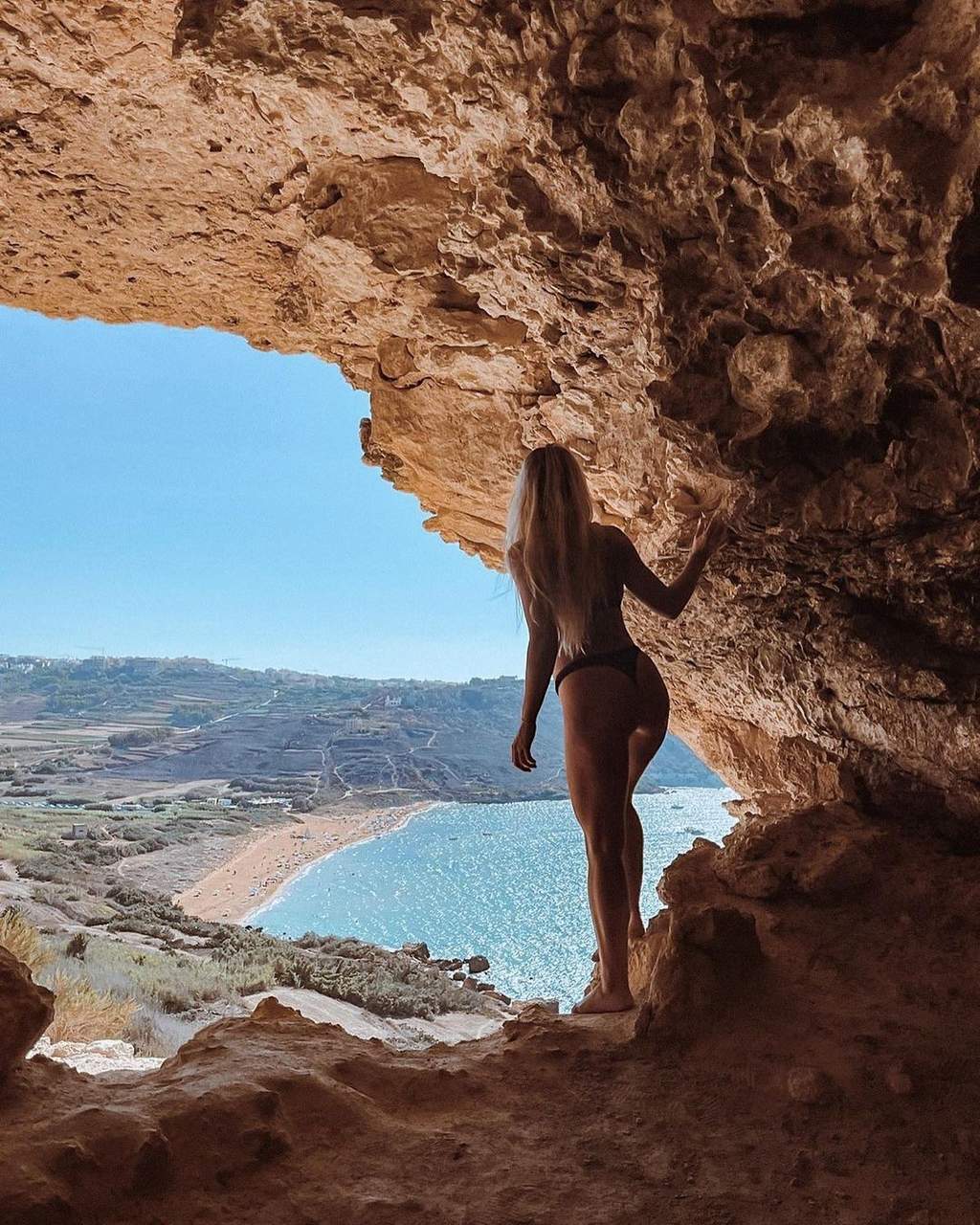
On the cliffs at the western end of the bay, below Xagħra, is the cave traditionally linked with the nymph Calypso of the Odyssey. On the eastern side, Tal-Mixta Cave is a short walk from the road above the bay and frames the beach from the opposite headland, which is the best spot for a photograph of the whole bay. San Blas, the next sandy bay to the east, is reached via Nadur.
Food and facilities at Ramla Bay
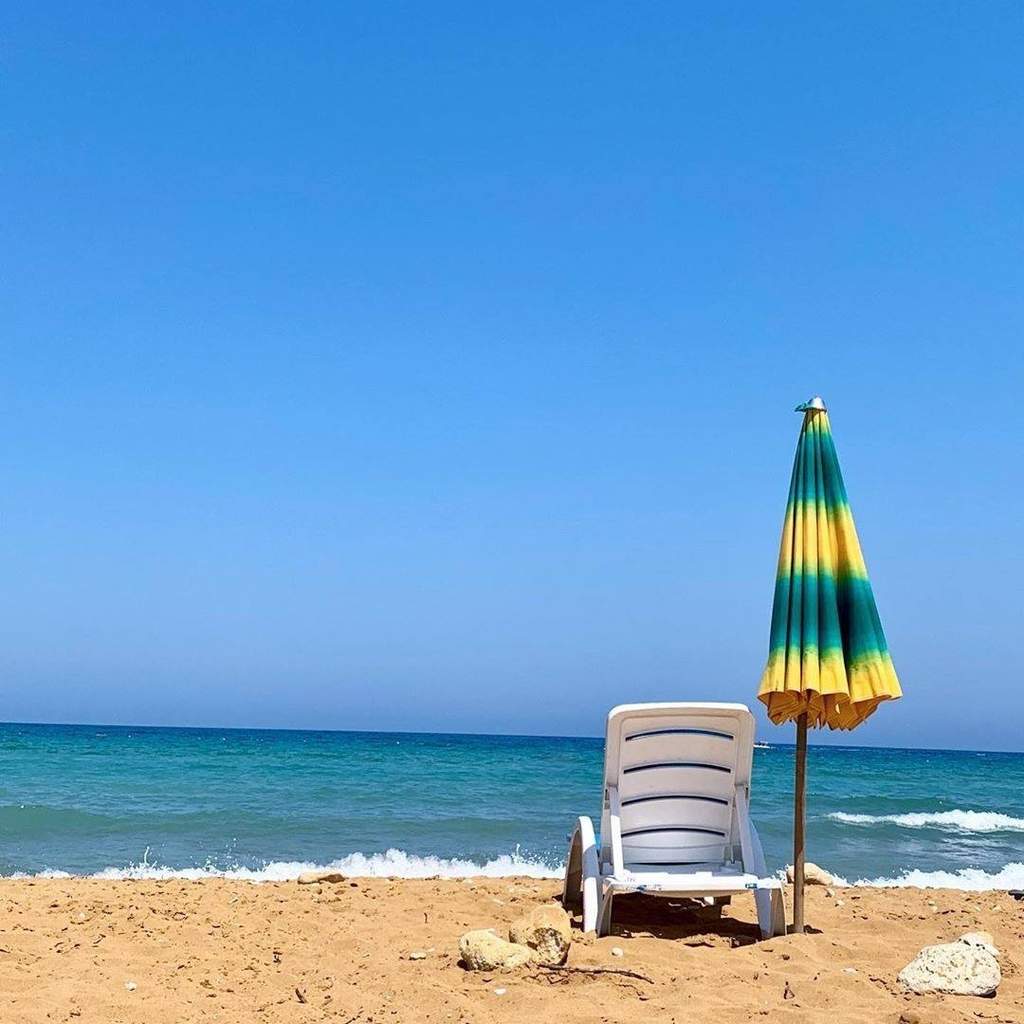
A few snack bars and restaurants sit at the back of the beach, set back from the sand, along with an ice-cream kiosk. In summer sunbeds and umbrellas are for hire on part of the beach, and there are public toilets and showers near the snack bars. Most of it is seasonal.
There is almost no natural shade on the sand, so bring an umbrella if you are not renting one.
Frequently asked questions
Is Ramla Bay sandy?
Yes, it is the largest sandy beach in Gozo, known for its reddish-orange sand.
How do I get to Ramla Bay by bus?
Bus 322 from Mġarr Harbour stops at Ramla on its way to Xagħra and Marsalforn, and bus 302 runs from Victoria via Nadur.
Is Ramla Bay good for kids?
Yes. The water is shallow and deepens gradually, and there are lifeguards and facilities in summer. Keep an eye on the flag system on rough days.
Can you visit Calypso's Cave at Ramla?
The cave and its viewpoint above the bay have been closed to the public. Tal-Mixta Cave on the eastern side is an alternative viewpoint.
Which way does Ramla Bay face?
North. It is calm in southerly and westerly winds but rough in north-westerly, northerly and north-easterly winds, which push waves straight onto the beach.
Do turtles nest at Ramla Bay?
Yes. Loggerhead turtles have nested here in recent summers, with several nests a season. Nests are cordoned off, and you should keep light and noise away from them at night.
Is Ramla Bay busy?
It is Gozo's most popular beach and busiest on July and August weekends, but it is large enough that it rarely feels crowded. Weekday mornings are the quietest time.
Is there somewhere to eat at Ramla Ħamra Bay?
Yes, on the beach: Champions Ice Cream, Il-Kċina tar-Ramla and Rose's Ramla Bay.
Can you get to Ramla Ħamra Bay by boat?
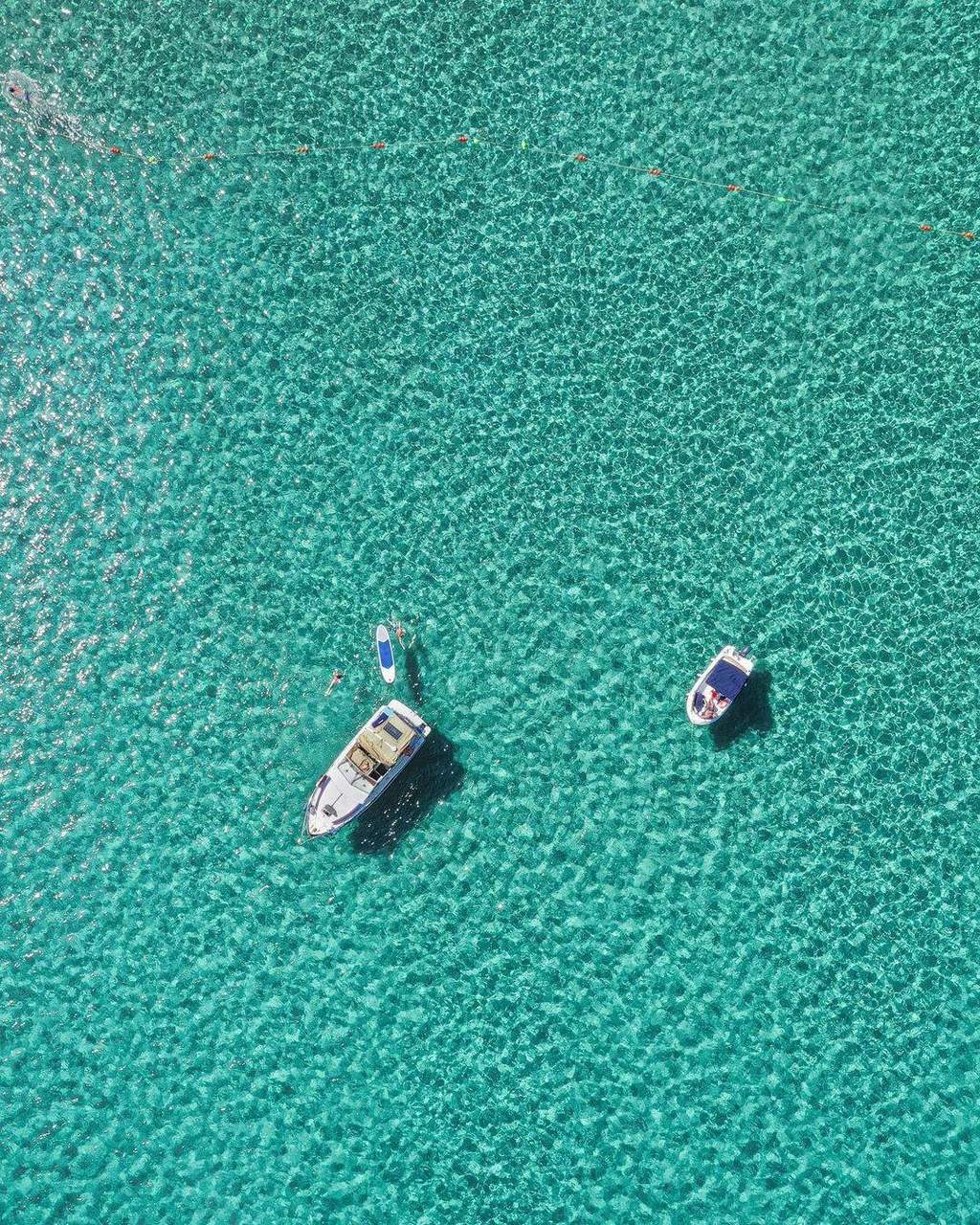
Yes. Boat trips to Ramla Ħamra Bay run with Vitamin Sea Watersports.