About Fomm ir-Riħ
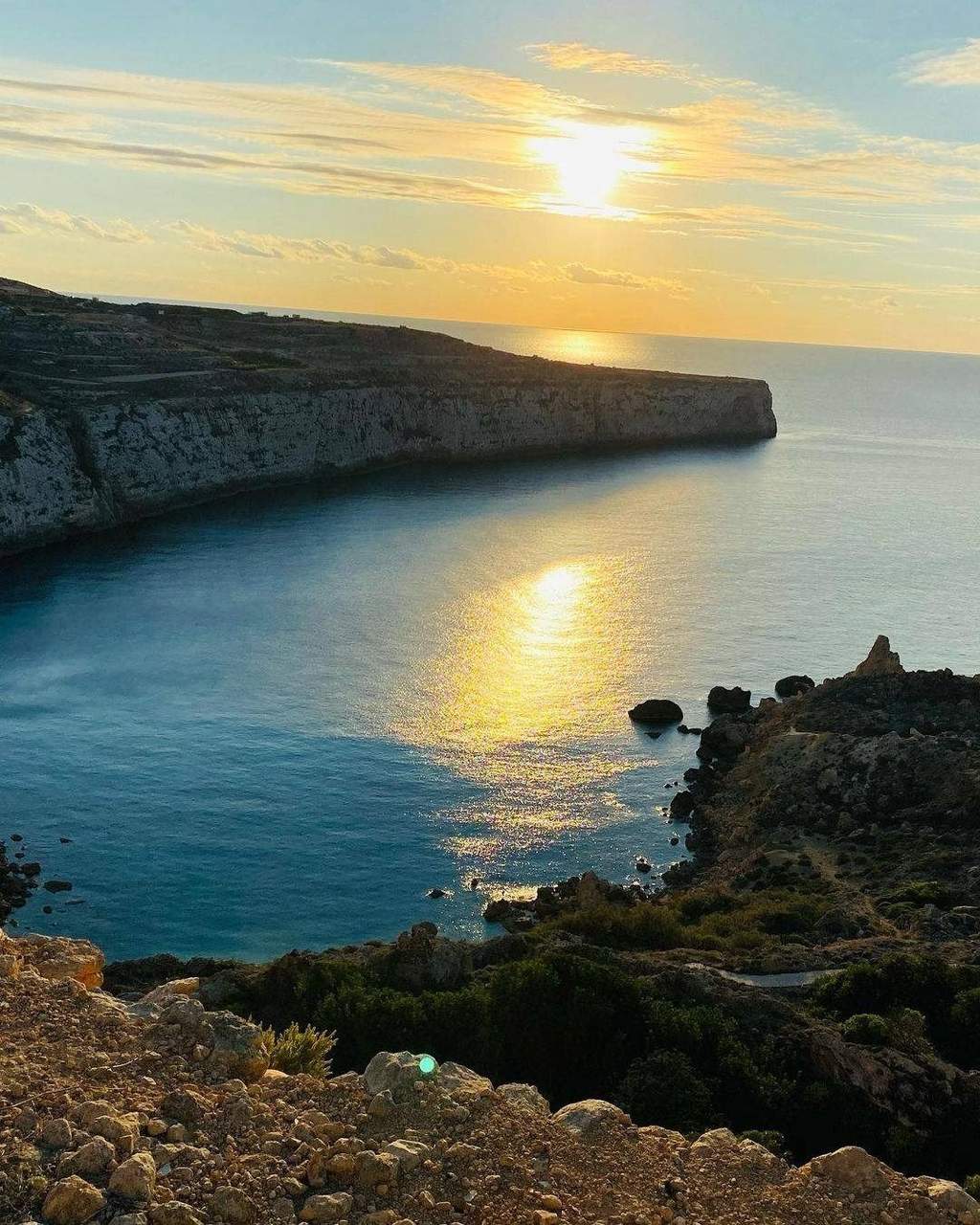
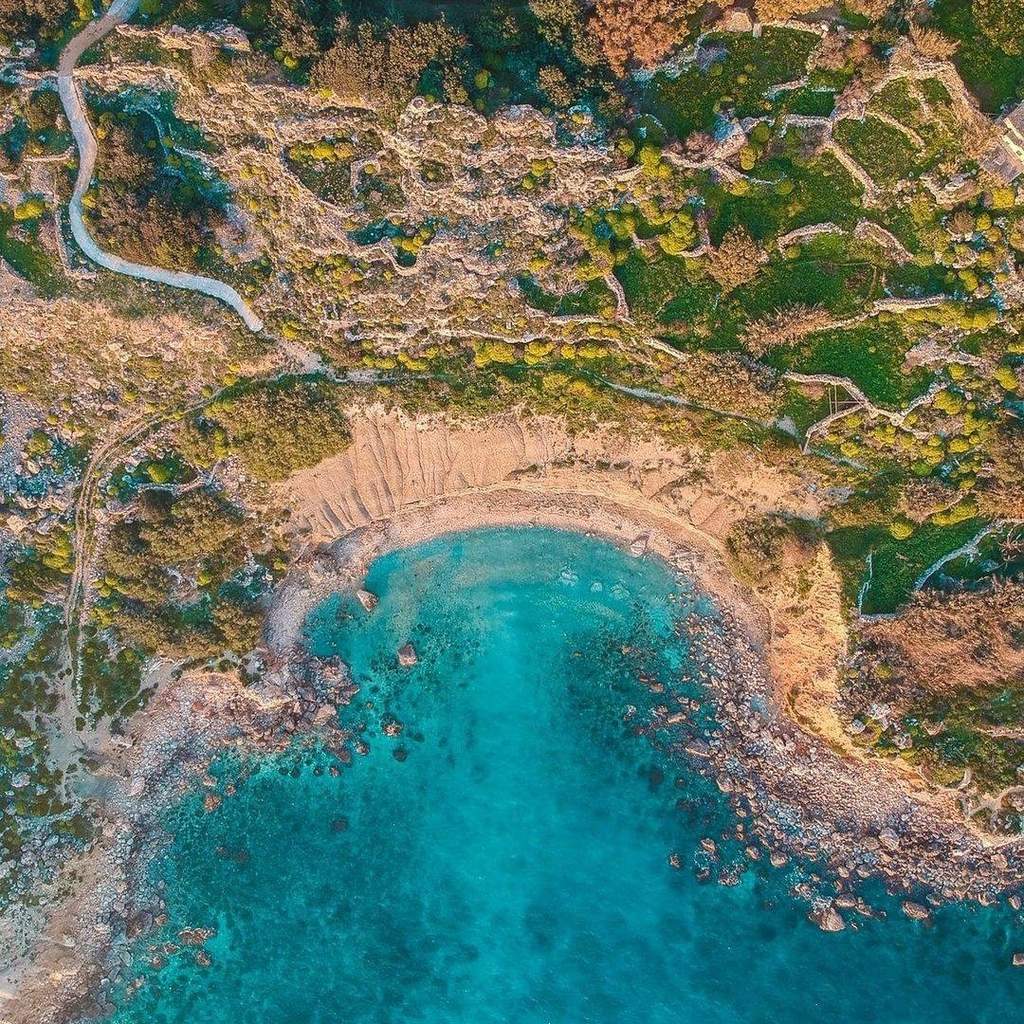
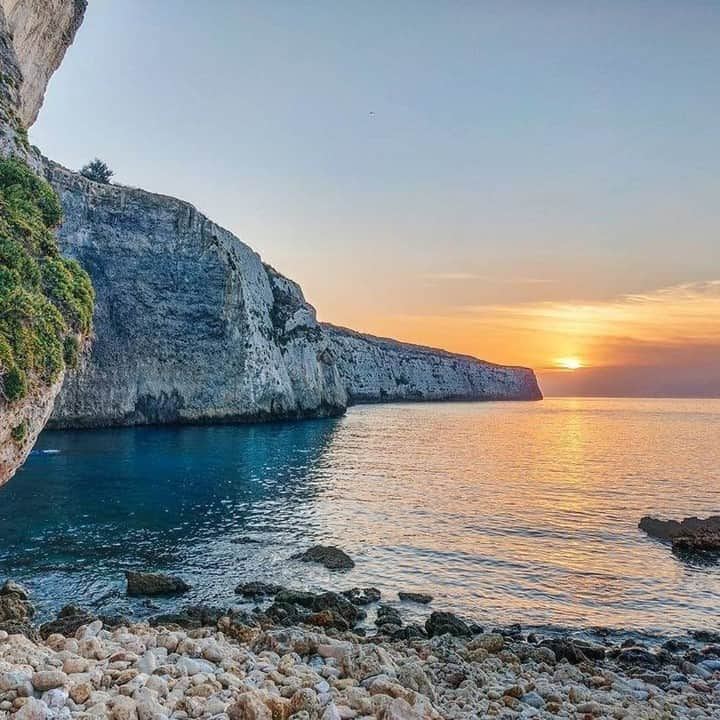
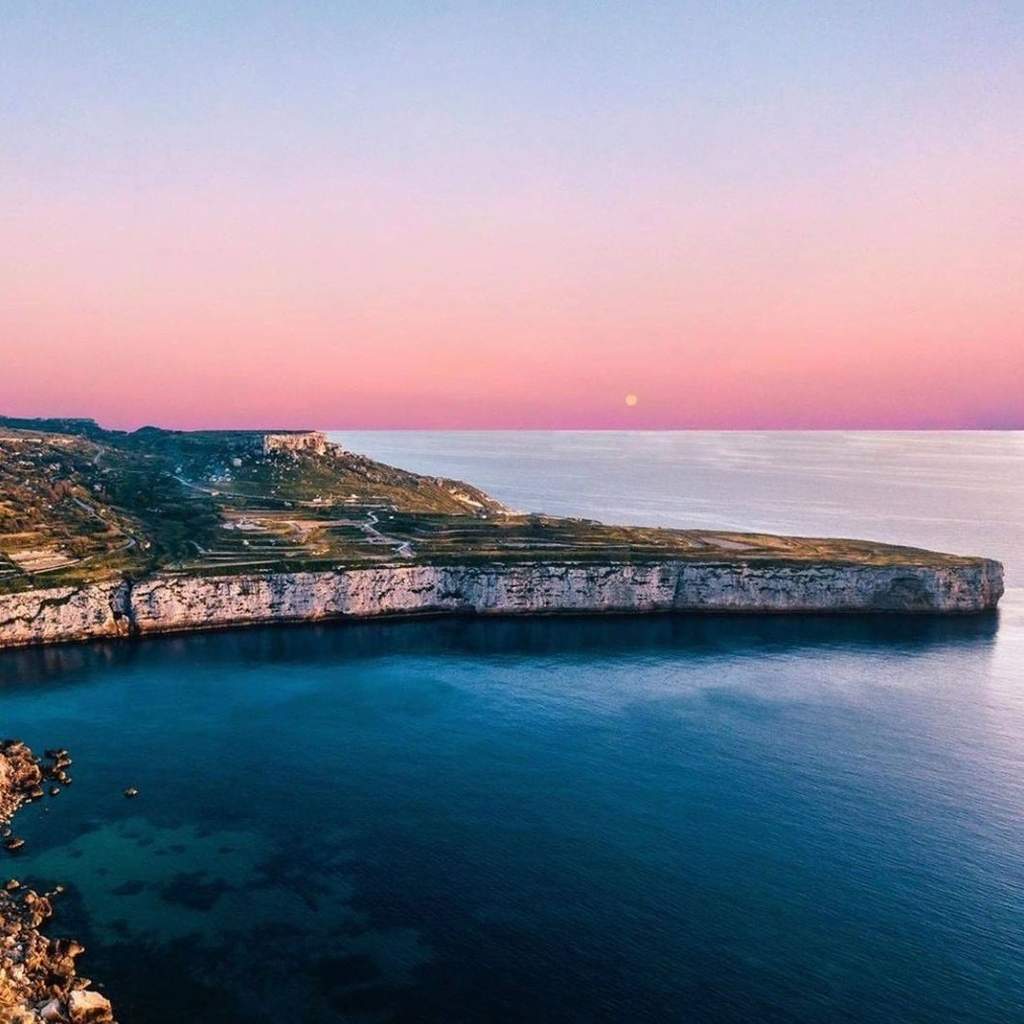
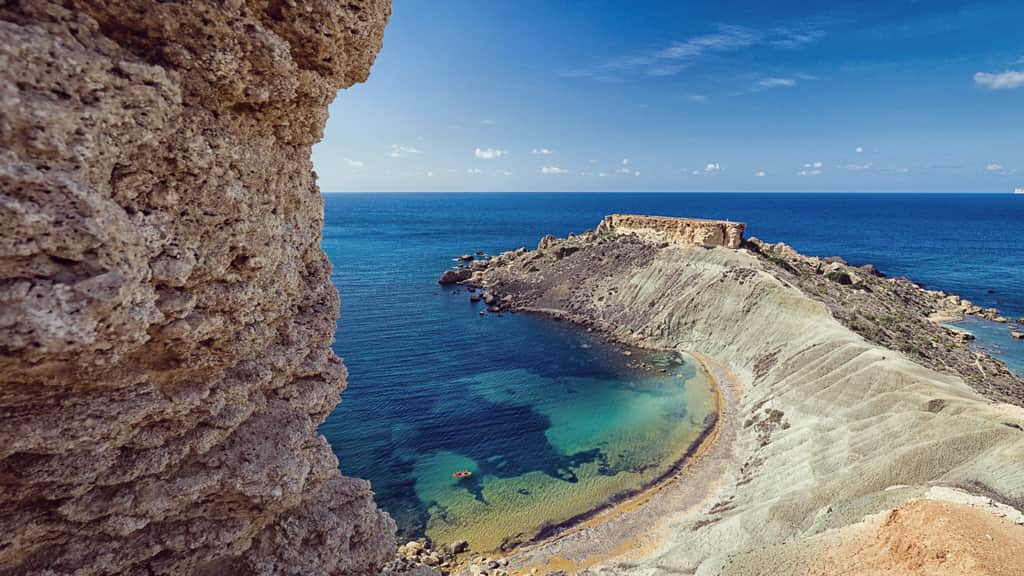
Fomm ir-Riħ, which means mouth of the wind, is a remote bay on Malta's west coast below Baħrija, within the limits of Mġarr. A fault line has cut the coast here into vertical limestone cliffs above steep clay slopes, with pebble beaches at the bottom and nothing built on them at all. The headland of Ras il-Pellegrin closes the bay to the north.
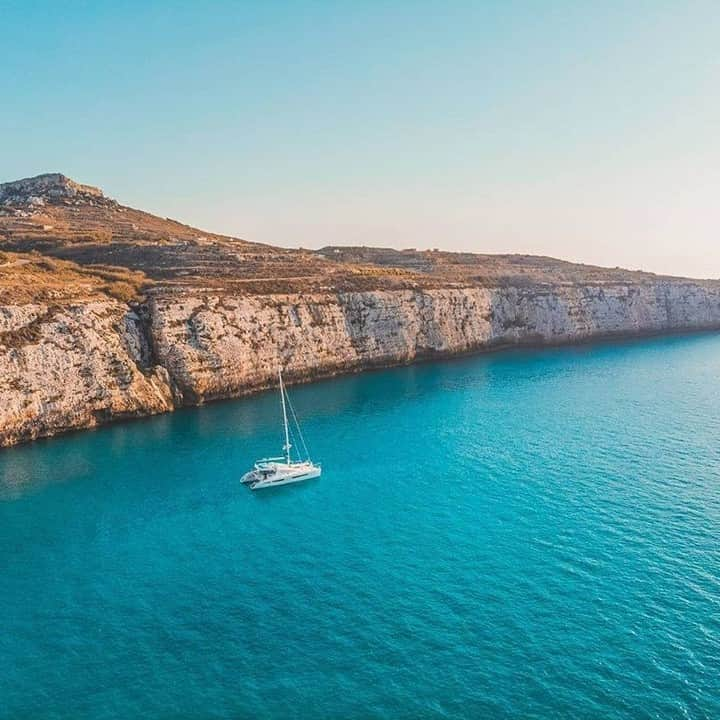
It is one of the quietest bays on Malta's main island, because getting there takes effort. Walkers come for the scenery and some of the most varied geology in the Maltese Islands, swimmers and snorkellers for clear water on calm days, and boat owners anchor in the bay when the sea is flat. The bay lies within a Natura 2000 site.
What Fomm ir-Riħ is like
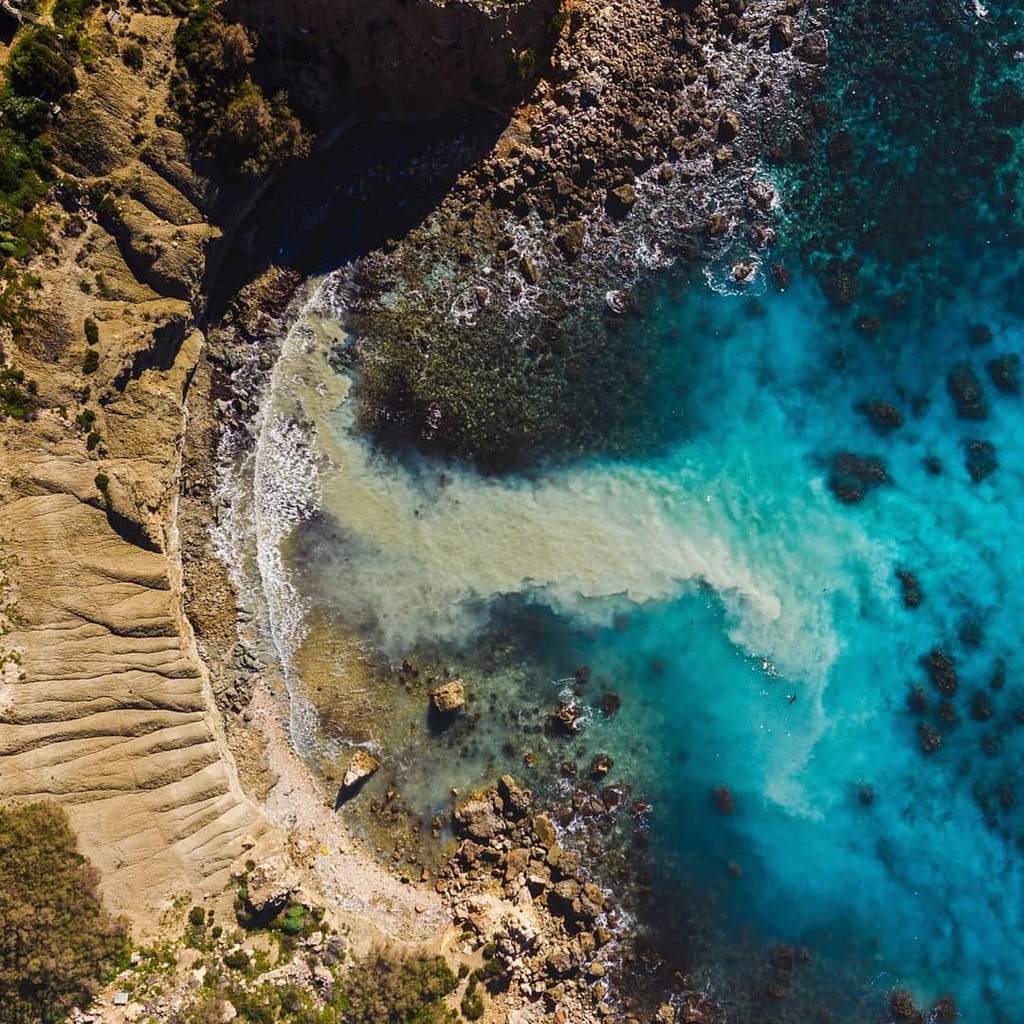
There are two beaches: a smaller pebble beach and the larger main bay, both of rounded stones with rocky edges, under slopes of clay and Globigerina limestone. Behind the main beach the rock layers bend down into an unusual fold, a syncline, filled with younger deposits that have yielded fossil elephant bones. It is worth a look even if you are not a geologist.
The surroundings are wild and green in winter and spring, and the Maltese freshwater crab lives in the springs and streams high above the bay. There is no shade on the beach once the sun moves over the cliffs, and the only sound is usually the sea.
When to go to Fomm ir-Riħ
The bay faces west and north-west into open sea, and its name is a fair warning. It is at its best in north-easterly, easterly, south-easterly or southerly winds. Avoid it in westerly or north-westerly winds, which send waves rolling straight onto the pebbles, and expect it to be choppy in northerly or south-westerly winds. Because the north-westerly is Malta's most common wind, plan a visit around a calm forecast.
In midsummer, start early: the path is fully exposed to the sun and the climb back up in the afternoon heat is hard work. Spring and autumn are better for the walk, and the bay faces the sunset, though you will want a torch and plenty of time if you stay for it.
Swimming and safety at Fomm ir-Riħ
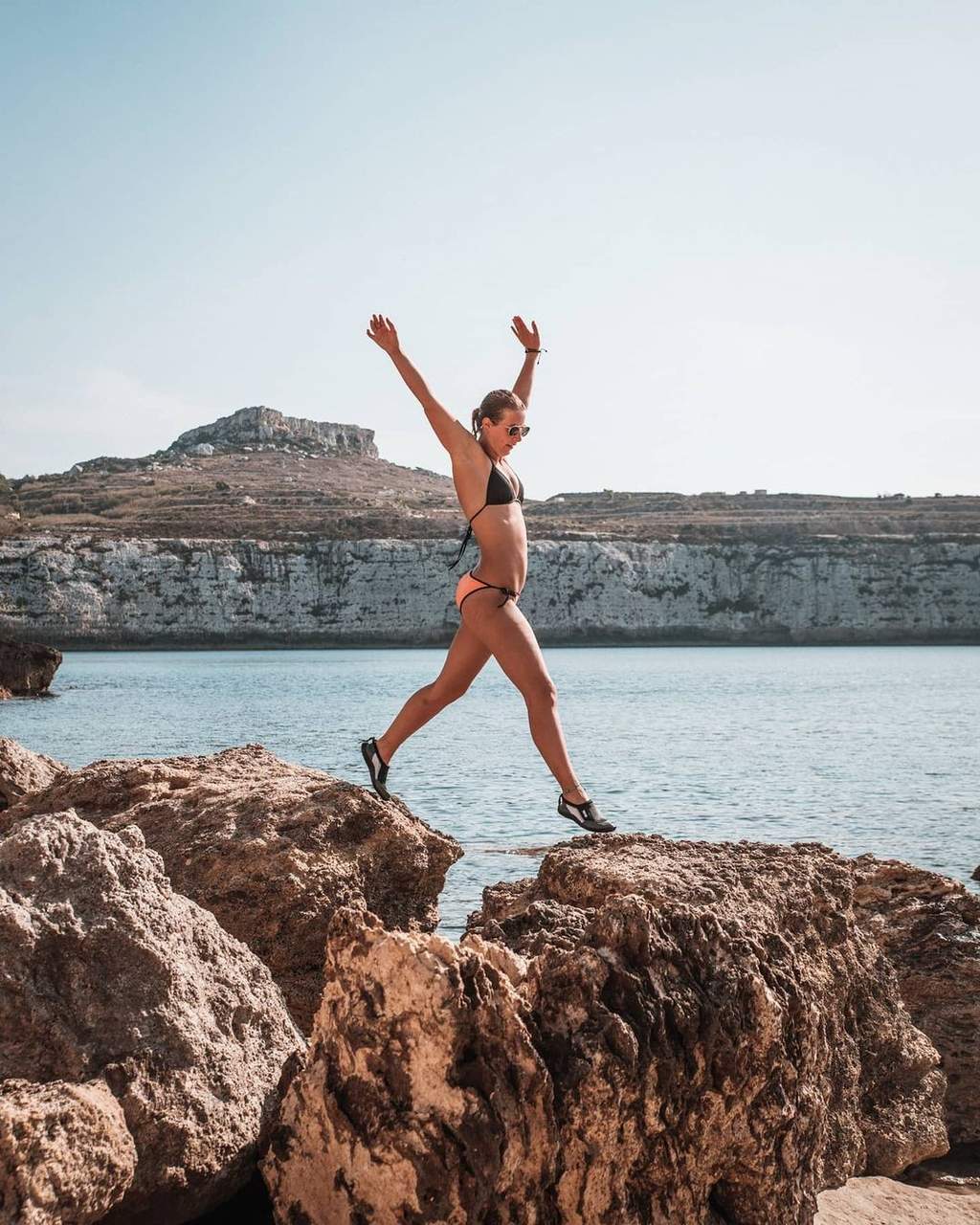
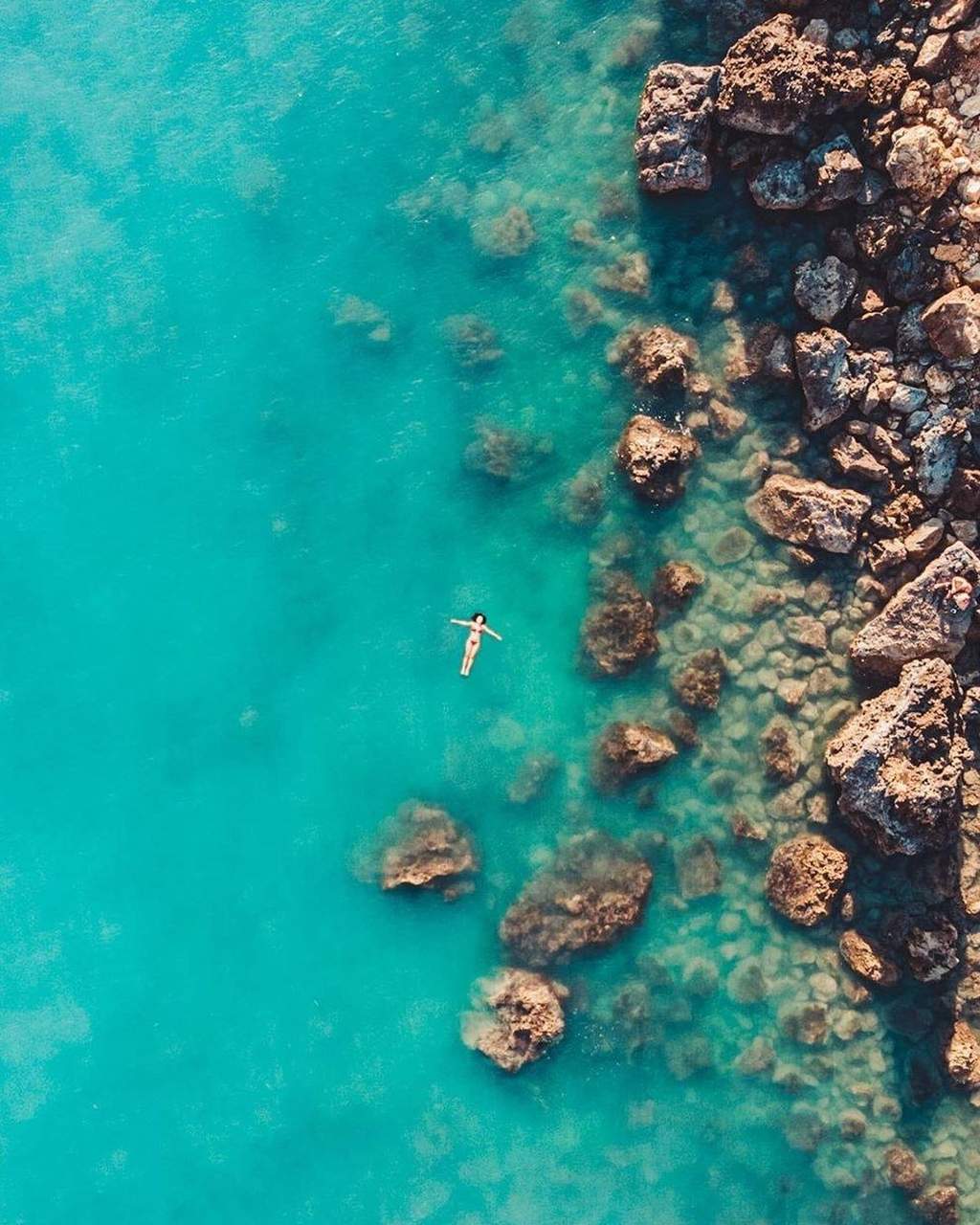
On a calm day the water is clear and good for snorkelling along the rocky sides. The pebbles shift underfoot and shelve into the sea, so water shoes help. There are no lifeguards and help is a long way off, so never swim alone, and stay out of the water when waves are breaking on the beach.
Public access to the bay has been disputed for decades. A 1983 agreement gave the public a right of passage to the foreshore, but the path it was meant to create was never properly built, and the clay slopes along its line later collapsed. Follow any signs and fencing, stay on the marked route, and don't try to make your own way down the clay, which is loose and gives way easily, especially after rain.
Things to do near Fomm ir-Riħ
Ras il-Pellegrin, the headland to the north, has cart ruts that run straight off the cliff top, and traces of prehistoric people collecting chert from the exposed rock. A watchtower built near the bay in the mid-17th century collapsed in the 18th century and was never rebuilt. The Victoria Lines, the 19th-century British defensive line across Malta, run down to the coast near here, and a redoubt built as part of them stands nearby.
From the bay, a route along the foreshore continues north towards Ġnejna Bay, about 1.5 km away, with Qarraba and Għajn Tuffieħa beyond. Boat trips from the north-west coast call in at Fomm ir-Riħ in calm weather, which is the easiest way to see the cliffs. Bring all your food and water: the nearest shops and cafés are up in Baħrija.
Frequently asked questions
How do you get down to Fomm ir-Riħ?
On foot, by a steep and narrow path cut into the cliff from the parking area above Baħrija. Allow about 20 minutes down and longer for the climb back. Many people arrive by boat instead.
Is Fomm ir-Riħ sandy?
No. It is a pebble beach with rocky edges, so water shoes help.
Are there any facilities at Fomm ir-Riħ?
No. There are no kiosks, toilets or lifeguards, so bring everything you need.
Is Fomm ir-Riħ good for kids?
Not really. The steep, slippery path and lack of facilities make it better suited to fit adults.
What does Fomm ir-Riħ mean?
Mouth of the wind. The bay faces the open sea to the west and north-west, so it takes the full force of Malta's prevailing north-westerly.
Can you walk from Fomm ir-Riħ to Ġnejna Bay?
Yes, a route runs along the foreshore and clay slopes towards Ġnejna, about 1.5 km to the north. The ground is loose and slippery in places, so wear proper shoes and avoid it after rain.
Can you get to Fomm ir-Riħ by boat?
Yes. Boat trips to Fomm ir-Riħ run with Hera Cruises.